William C. Marland
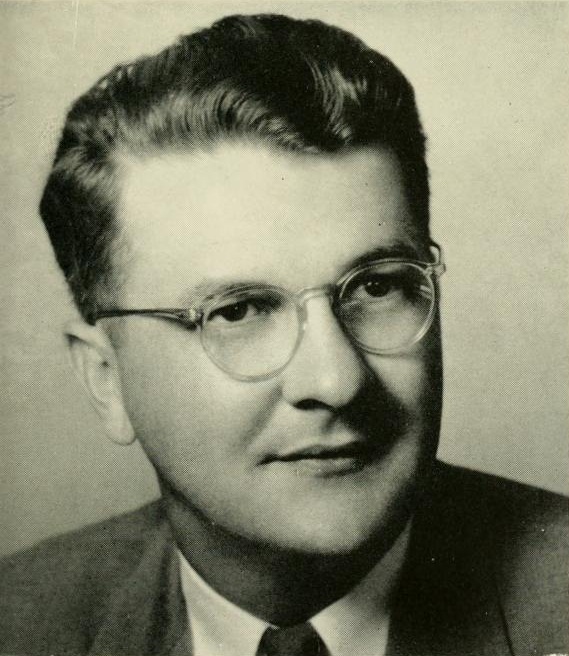
William C. Marland
U.S.A.

Social Media

Personal Background
William C. Marland, born in 1918, graduated from West Virginia University with a law degree in 1947. He served in the Navy during World War II and began his legal career as a law clerk to a federal judge and later as the state's Assistant Attorney General. Marland was appointed Attorney General of West Virginia in 1949 and elected to the position in 1950, before being elected governor in 1952. During his tenure, he championed school desegregation, environmental protection, and labor rights. After leaving office, Marland struggled with alcoholism, which he publicly discussed, and worked as a taxi driver to maintain his sobriety.
Political Ideas
William C. Marland's political philosophy reveals an intriguing blend of progressive social stances with a focus on economic pragmatism. His advocacy for school desegregation and improved workers' compensation laws during his governorship demonstrates a commitment to social equity. However, his attempt to tax companies depleting natural resources reveals an unexpected tension between environmental protection and industrial interests. Marland's personal battle with alcoholism and subsequent public candor about his struggles add a layer of authenticity to his policy positions.