William Cushing
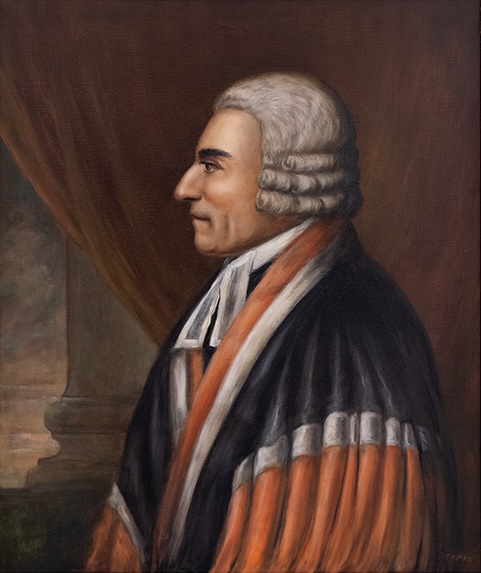
William Cushing
U.S.A.

Social Media

Personal Background
William Cushing graduated from Harvard College in 1751 and became a practicing attorney in the eastern district of the province, later becoming a barrister in 1762. He was appointed to the Superior Court bench in 1772 and retained his position through the court's reformation in 1775. Cushing served as the first Chief Justice of Massachusetts from 1777 and was a member of the American Academy of Arts and Sciences from 1780. He presided over landmark cases that ended slavery in Massachusetts and ensured the continuity of court sessions during Shays' Rebellion. Cushing was nominated by President George Washington as an associate justice of the Supreme Court in 1789 and served until his death in 1810.
Political Ideas
William Cushing's judicial philosophy reveals a blend of ideological rigidity and calculated pragmatism, particularly in his nationalist economic views and commitment to the rule of law. His decisions, such as those in Chisholm v. Georgia and Ware v. Hylton, underscore a steadfast adherence to federal authority over state law. Conversely, his role in ending slavery in Massachusetts through cases like Quock Walker's freedom suit suggests a nuanced approach to civil rights, rooted in a strict interpretation of state constitutional principles.