William E. Stevenson
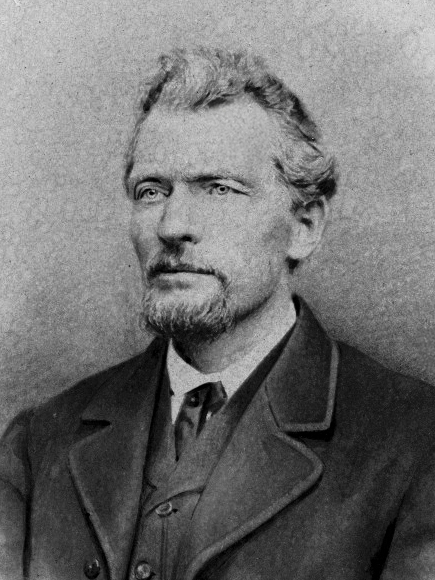
William E. Stevenson
U.S.A.

Social Media

Personal Background
William E. Stevenson was born in Warren, Pennsylvania, and later relocated to Pittsburgh. He established a career in public service, beginning with his election to the Pennsylvania House of Representatives. Stevenson transitioned to West Virginia, where he played a pivotal role in the state's constitutional conventions and served in its state senate, eventually becoming its president. He also served as governor of West Virginia and participated in presidential elections as an elector. Throughout his career, Stevenson demonstrated expertise in legislative processes and state governance.
Political Ideas
William E. Stevenson's political identity is marked by a militant anti-slavery stance that surprisingly aligns with his advocacy for labor rights and the creation of West Virginia. His legislative efforts to support the ten-hour workday reveal a nuanced approach to economic policy that balances industrial interests with worker welfare. Stevenson's rhetorical style often juxtaposes regional economic concerns with broader moral imperatives, creating a compelling narrative that demands further exploration. His unexpected convergence with opposing factions on environmental regulations highlights a highly calculated approach to policymaking.