William Eugene Stanley
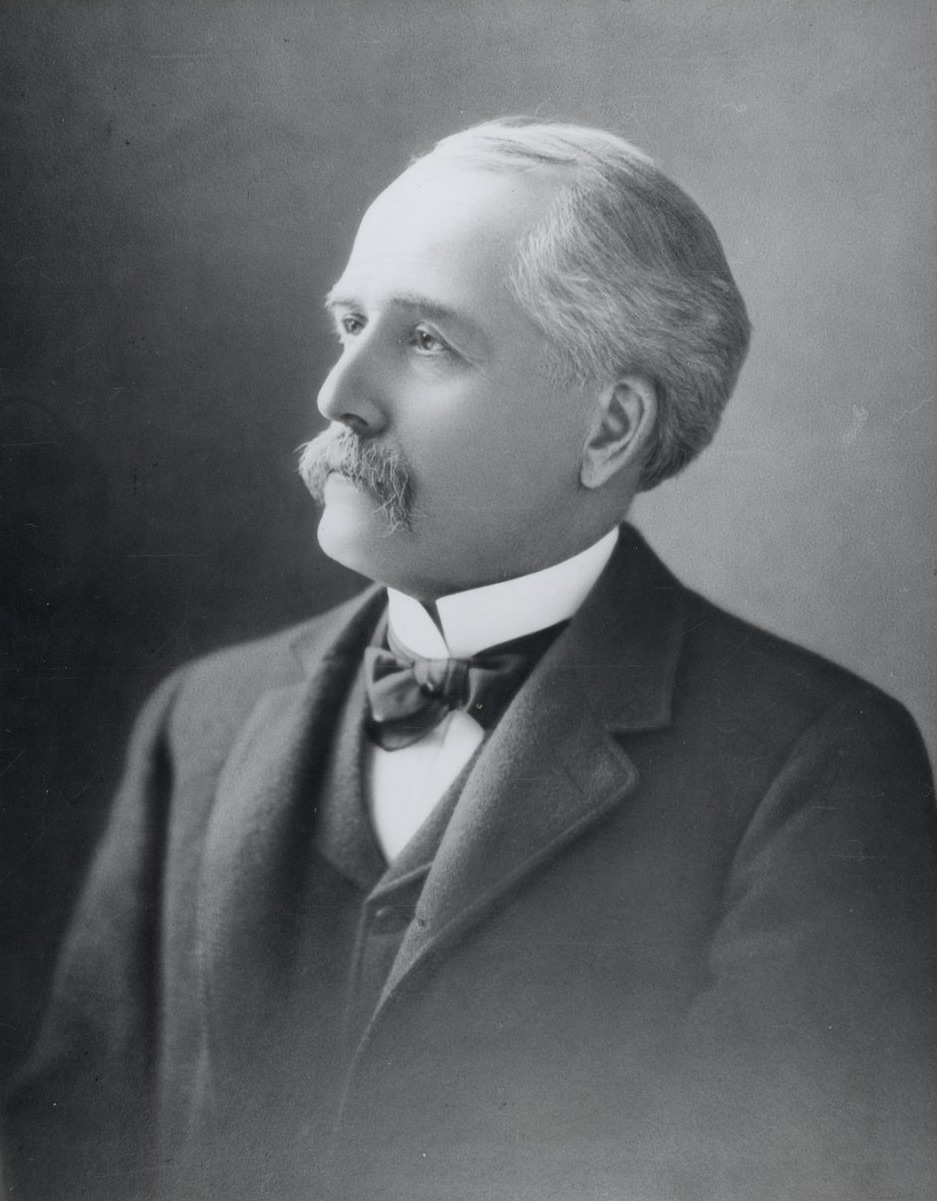
William Eugene Stanley
U.S.A.

Social Media

Personal Background
William Eugene Stanley began his career as a lawyer in Ohio before relocating to Kansas, where he established a law practice and taught school. He served in various local and state positions, including county attorney and state representative, before being elected Governor of Kansas. During his tenure as governor, Stanley managed the state budget effectively and addressed significant law and order challenges. Post-governorship, he contributed to Indigenous affairs through his service on the Dawes Commission.
Political Ideas
William Eugene Stanley's political identity is marked by a blend of progressive educational reforms and a firm stance on law and order. His support for a traveling library commission reveals a commitment to democratizing educational resources, yet his handling of prison revolts and convict strikes underscores a stringent approach to maintaining public safety. Stanley's tenure as governor during a period of fiscal stability suggests an ideologically agile approach to economic management. His role on the Dawes Commission indicates a complex stance on Indigenous affairs, balancing allotment policies with potential regional interests.