William Eustis
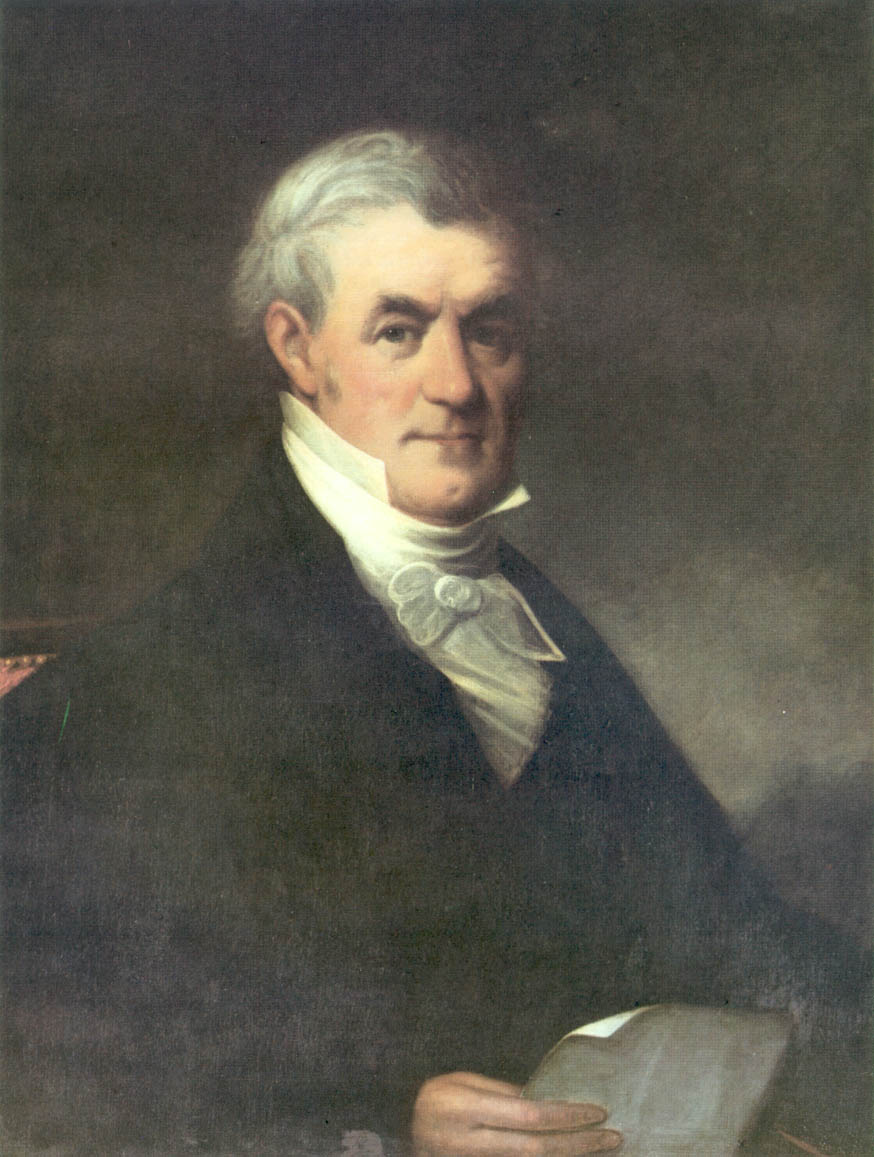
William Eustis
U.S.A.

Social Media

Personal Background
William Eustis graduated from Harvard College in 1772 and subsequently served as a regimental surgeon during the Revolutionary War, gaining combat experience in notable battles and managing military hospitals. He transitioned into politics, serving in the Massachusetts General Court and the United States House of Representatives, where he opposed certain policies of President Jefferson and played a role in the impeachment of a federal judge. Eustis held the position of Secretary of War under President James Madison, where he advocated for modernizing military strategies but faced criticism for inadequate military preparedness during the War of 1812. Later, he served as the United States Minister to the Netherlands, negotiating a significant commerce treaty. His career also included a stint as Governor of Massachusetts and various congressional roles.
Political Ideas
William Eustis's political identity is marked by an intriguing blend of traditionalism and reformism. Despite his service in the Revolutionary War and his deep roots in Massachusetts politics, Eustis frequently diverged from his party's mainstream on key issues. His opposition to President Jefferson's repeal of the Judiciary Act of 1801 and his resistance to the Twelfth Amendment reveal a penchant for challenging conventional wisdom within his own faction. Eustis's tenure as Secretary of War highlights a calculated approach to military modernization, yet his administration faced criticism for inadequate readiness during the War of 1812. His diplomatic efforts, particularly the commerce treaty with the Netherlands, demonstrate a strategic focus on economic interests. Eustis's civil rights advocacy, opposing exclusionary language in the Missouri Constitution, further underscores his willingness to confront contentious social issues head-on.