William F. Dunne
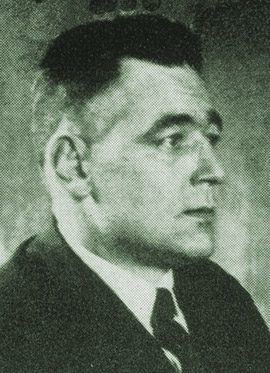
William F. Dunne
U.S.A.
Social Media

Personal Background
William F. Dunne was born in 1887 in Kansas City, Missouri, and later attended the College of St. Thomas in Minnesota. After dropping out due to the economic turmoil of the Panic of 1907, he worked on the Northern Pacific Railroad. Dunne's career was marked by his involvement in labor movements and political activism, including leadership roles in the International Brotherhood of Electrical Workers and the Communist Party of America. He transitioned from labor organizing to political leadership, holding positions such as editor of radical publications and running for various political offices. His career was punctuated by periods of expulsion from labor unions and the Communist Party, reflecting his staunch adherence to Marxist principles.
Political Ideas
William F. Dunne's political identity is marked by his ideological rigidity and strategic adaptability. He consistently advocated for Marxist principles, yet his stance on U.S. involvement in global conflicts reveals a calculated approach to protecting regional and class interests. Dunne's rhetorical style juxtaposes fierce opposition to imperialist wars with pragmatic support for U.S. intervention when aligned with Marxist objectives, showcasing a unique blend of ideological steadfastness and tactical flexibility.