William F. Kruse
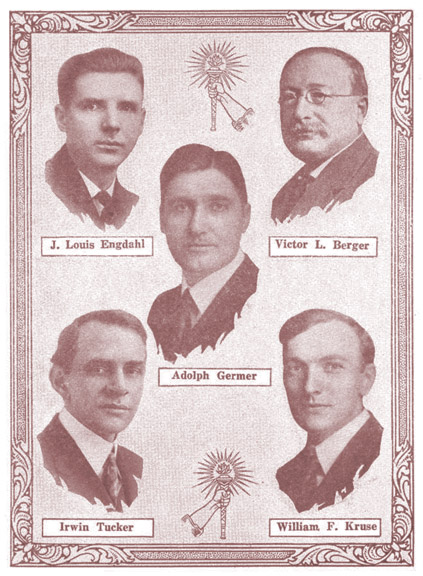
William F. Kruse
U.S.A.
Social Media

Personal Background
William F. Kruse was born to immigrant parents in 1894 and developed his political views early, studying at the Socialist Party of America's Rand School of Social Science. He held leadership roles within the Socialist and Communist movements, including serving as director of the Young People's Socialist League and later as District Organizer for the Communist Party. Kruse spent significant time in educational roles, particularly in audio-visual instruction, and was an active participant in civil rights advocacy, especially during World War I. His career also included stints in high-finance and various leadership roles within educational and audiovisual sectors.
Political Ideas
William F. Kruse's political identity is marked by a unique blend of socialist economic policies and staunch pacifism, coupled with a deep commitment to educational reform. His advocacy for the nationalization of key industries and workers' control over production juxtaposes with his fierce opposition to American involvement in World War I and his defense of civil liberties for war opponents. Kruse's extensive involvement in educational initiatives, particularly in audio-visual instruction, adds another layer to his ideological profile, revealing a multifaceted approach to societal reform.