William Findlay
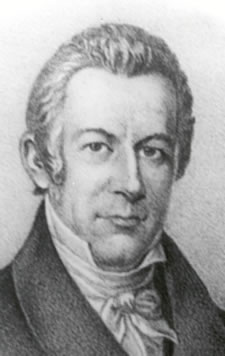
William Findlay
U.S.A.

Social Media

Personal Background
William Findlay spent over a decade in the Pennsylvania House of Representatives, including a stint as state treasurer. He then served as governor, during which he emancipated a slave and advocated for laws against slave catchers. Following his governorship, Findlay was elected to the United States Senate, where he chaired the Committee on Agriculture. He later served as the treasurer of the U.S. Mint for two decades.
Political Ideas
William Findlay's political identity is marked by an unexpected convergence of progressive stances on slavery with a localized approach to governance. His legislative actions, such as emancipating a slave and advocating for laws against slave catchers, juxtapose with his pragmatic handling of state functions from his private home during the construction of the Harrisburg capitol. Findlay's ideological agility is further evidenced by his support for regional industrial interests, as seen in his environmental regulation stances. This blend of progressive social policies with a highly localized governance style presents a unique and intriguing political persona.