William H. Murray
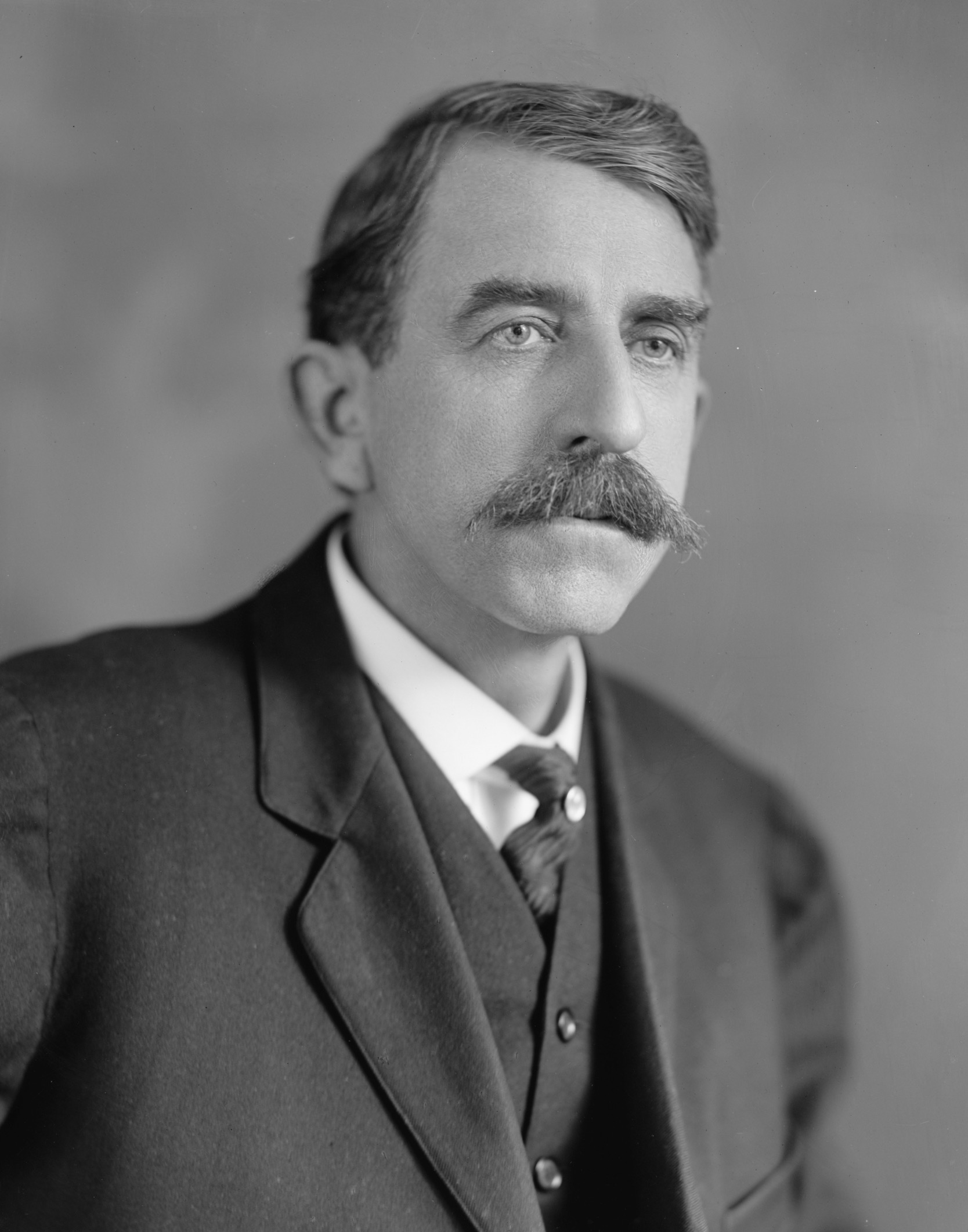
William H. Murray
U.S.A.

Social Media

Personal Background
William H. Murray graduated from College Hill Institute with a teaching degree and subsequently moved to Tishomingo, Chickasaw Nation, where he became a political and legal advisor. He started a law practice after marrying Mary Alice Hearrel and later earned the nickname "Alfalfa." Murray's professional expertise includes significant experience in legal and political advising within indigenous governance structures. He spent years managing institutional risk in high-finance before transitioning to the public sector.
Political Ideas
William H. Murray's political identity is marked by an intriguing blend of local advocacy and deeply troubling racial ideologies. He championed policies that benefited local farmers and small businesses, reflecting a localized economic approach. However, his support for Strom Thurmond’s segregationist Dixiecrat bid highlights a disturbingly rigid stance on race relations, revealing a conceptual tension between his progressive economic policies and regressive social views. Murray's rhetorical style likely combined persuasive local narratives with divisive racial rhetoric, making his approach both compelling and contentious.