William J. Bulow
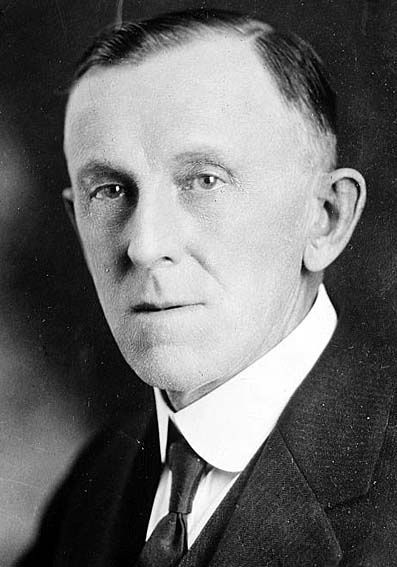
William J. Bulow
U.S.A.

Social Media

Personal Background
William J. Bulow graduated with a law degree from the University of Michigan and relocated to South Dakota, where he began his legal career. He held various roles within the public sector, including serving as city attorney in Beresford and as County Judge for Beresford. Bulow's political career included terms in the South Dakota Legislature and as Governor of South Dakota, during which he demonstrated leadership by pardoning Poker Alice. He further extended his public service by being elected to the U.S. Senate, where he served two terms.
Political Ideas
William J. Bulow's political career is marked by a distinctive blend of local advocacy and unexpected policy decisions. His economic policies consistently supported local businesses, showcasing a highly localized approach. Bulow's pardon of Poker Alice reveals a willingness to challenge conventional criminal justice norms, hinting at a nuanced stance on law and order. Furthermore, his opposition to President Roosevelt's foreign policy during the 1942 Democratic primary underscores a willingness to diverge from party orthodoxy, suggesting an ideologically agile yet principled political identity.