William J. McConnell
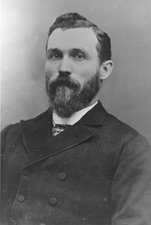
William J. McConnell
U.S.A.

Social Media

Personal Background
William J. McConnell began his career as an educator and farmer in the American West, demonstrating early leadership by organizing a vigilance committee and serving as a Deputy U.S. Marshal. He transitioned into public service, managing state affairs during economic crises and labor unrest, and played a pivotal role in infrastructure and irrigation projects. McConnell's tenure as governor included significant policy reforms, such as eliminating the disenfranchisement of Mormon voters and supporting women's suffrage. He later contributed to federal initiatives, including roles within the Bureau of Indian Affairs and the Immigration Service.
Political Ideas
William J. McConnell's political career reveals a unique blend of progressive social policies and pragmatic economic strategies. His support for the Carey Act and irrigation projects demonstrates an innovative approach to regional development, while his elimination of the "test oath" for Mormon voters showcases an early commitment to inclusive governance. McConnell's advocacy for women's suffrage in 1896 further underscores his progressive stance on social issues, juxtaposed with his law enforcement roles that highlight a commitment to order and security.