William Packer
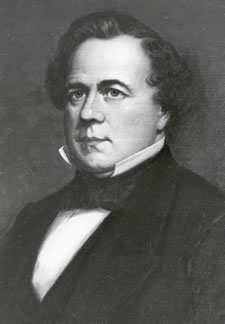
William Fisher Packer
U.S.A.

Social Media

Personal Background
William Packer began his career as a printer's apprentice and later became editor of a local newspaper. He studied law and entered politics, holding various positions including Superintendent of the canals and Pennsylvania Auditor General. Packer transitioned from private enterprise to public service, serving in the Pennsylvania House of Representatives and State Senate. He became the first President of the Susquehanna Railroad and later the Governor of Pennsylvania, where he focused on economic reforms and education. After retiring from public life, he remained influential in his community until his death.
Political Ideas
William Packer’s political philosophy reveals a distinctive blend of fiscal conservatism and staunch federalism. His legislative actions to curb paper currency and divest state investments in infrastructure showcase an ideologically agile approach, balancing traditional Democratic economic concerns with an unexpected privatization stance. Packer’s dedication to public education, juxtaposed with his opposition to state-funded infrastructure, highlights a nuanced prioritization of societal investments. His firm rejection of secession, coupled with a call for a national convention, underscores a calculated effort to maintain national unity while addressing regional grievances.