Winfield Scott Hammond
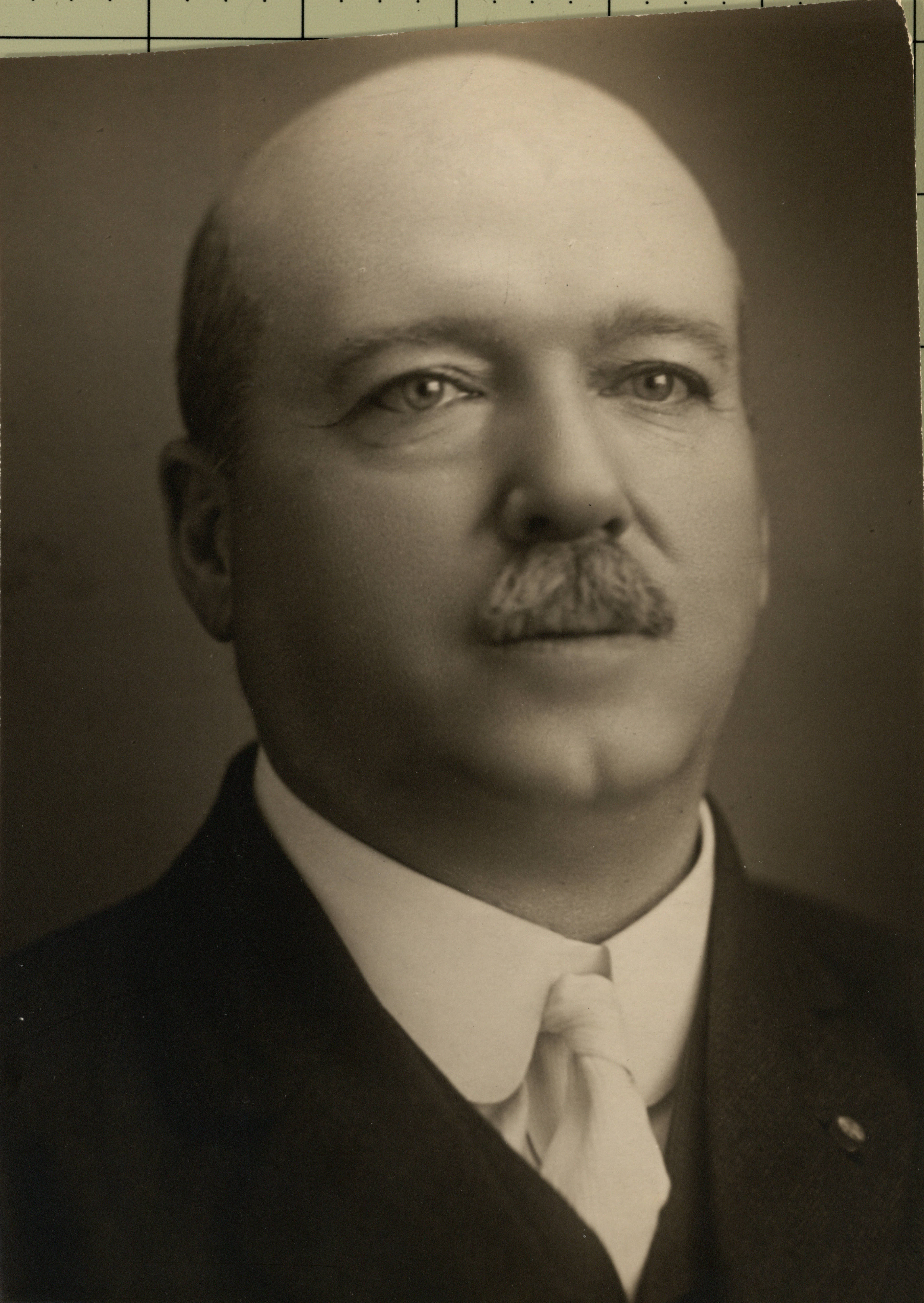
Winfield Scott Hammond
U.S.A.

Social Media

Personal Background
Winfield Scott Hammond earned advanced degrees from Dartmouth College and began his career as an educator, eventually becoming a principal at a young age. He transitioned to law, establishing a practice in St. James and gaining a reputation as a political contender. Hammond spent several terms in the United States House of Representatives, where he developed a reputation for advocating efficient government practices. He was elected governor of Minnesota, where he focused on reducing bureaucracy and eliminating waste, earning notable legislative achievements.
Political Ideas
Winfield Scott Hammond's political identity is marked by a unique blend of progressive efficiency reforms with conservative social policies, an anomaly in his era. His legislative initiatives, like the "county option bill," demonstrate an ideologically agile approach that balances local governance with state oversight. Despite his Democratic affiliations, Hammond's surprising alignment with prohibitionists on liquor sales regulation highlights a calculated strategy to appeal to diverse constituencies. His rhetorical style, though not detailed, likely emphasizes unity and regional interests, masking the conceptual tensions within his policy positions.