Woodbridge N. Ferris
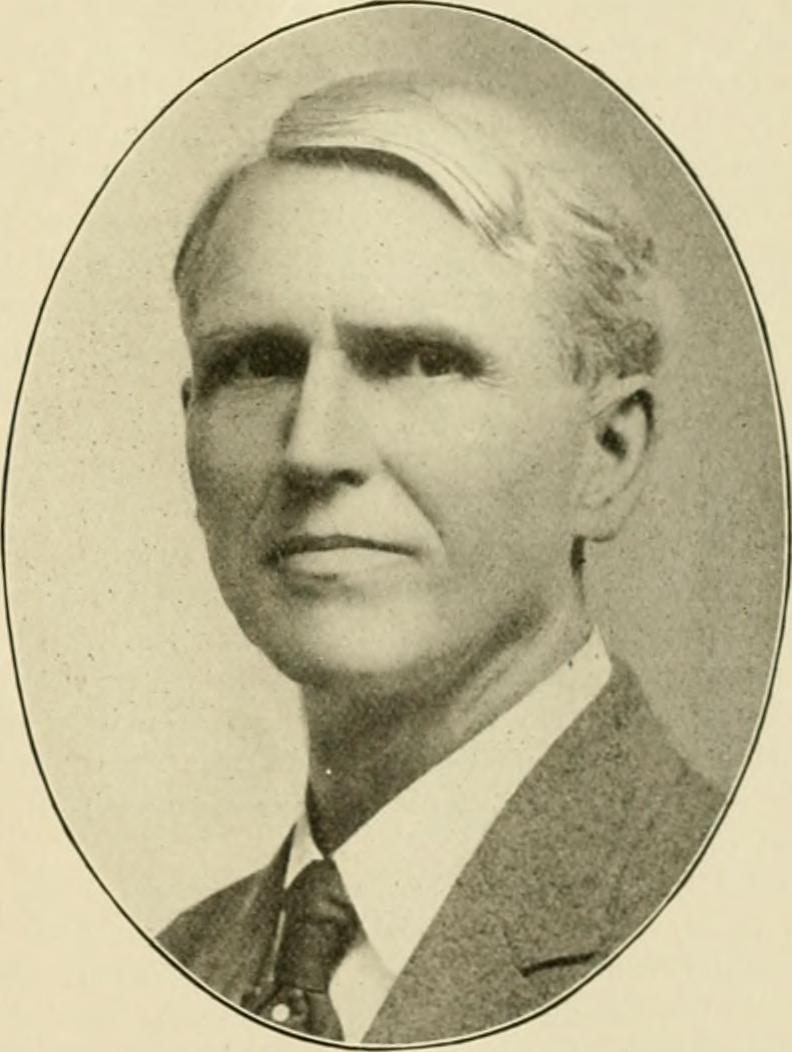
Woodbridge N. Ferris
U.S.A.

Social Media

Personal Background
Woodbridge N. Ferris began his career as an educator, eventually becoming a superintendent of schools in Illinois. He transitioned into educational administration, founding Ferris Industrial School, which later evolved into Ferris State University. Ferris held various leadership roles in educational institutions before entering politics, where he served as Governor of Michigan and a U.S. Senator, introducing significant reforms and managing major labor disputes. His contributions to education and public health left a lasting legacy, including the establishment of a federal Department of Education and the introduction of public health initiatives.
Political Ideas
Woodbridge N. Ferris's political career reveals a distinctive blend of progressive reforms and cautious pragmatism. He championed the establishment of a federal Department of Education, yet his approach to labor issues, such as deploying the National Guard during the Copper Country Strike, suggests a complex balance between progressive ideals and maintaining order. His involvement with the Race Betterment Conference, albeit as an honorary president, hints at an engagement with controversial social policies of his time. Ferris's tenure as governor and senator was marked by both innovative public health initiatives and a firm stance on labor disputes, showcasing a nuanced ideological positioning.