Abram M. Scott
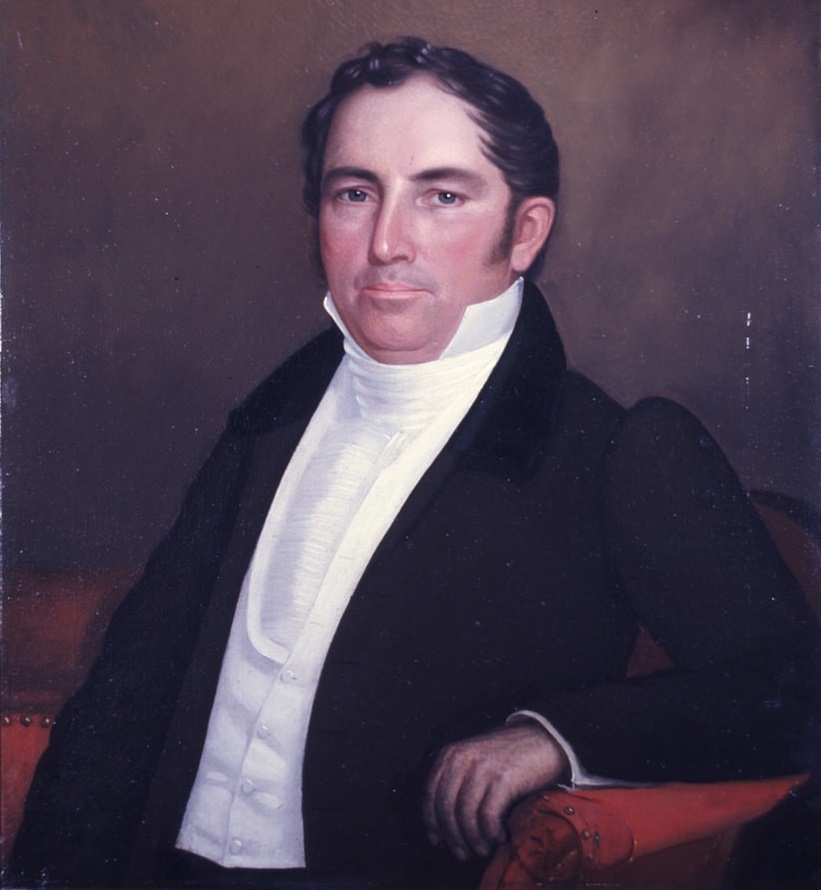
Abram M. Scott
U.S.A.

Social Media

Personal Background
Abram M. Scott began his career in public service as a tax collector in Wilkinson County, Mississippi, and later served as a lieutenant during the War of 1812. He played a pivotal role in Mississippi's Constitutional Convention and held various state senate positions. Scott was elected Lieutenant Governor in 1828 and subsequently became the seventh Governor of Mississippi in 1832, where he demonstrated leadership during the Nullification Crisis. Despite a contentious special election, he remained in office until his untimely death in 1833.
Political Ideas
Abram M. Scott's political identity is marked by an unexpected alignment with federal authority during the Nullification Crisis, as he steered Mississippi away from South Carolina's defiance. His strategic approach reveals a calculated effort to protect regional stability, even when it meant opposing fellow Southern states. Scott's rhetorical style likely emphasized unity and moderation, a contrast to the more radical voices of the era. His political maneuvers suggest an ideological agility that prioritized long-term stability over short-term partisan gains.