Hiram G. Runnels
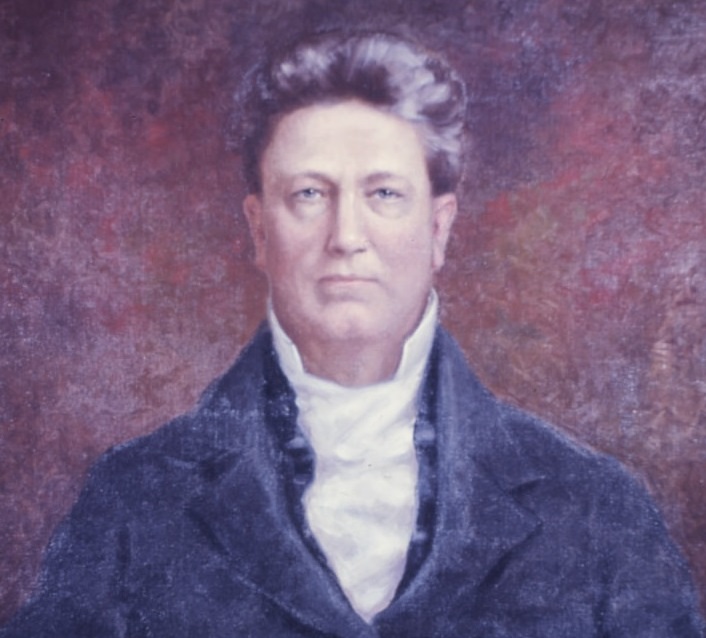
Hiram G. Runnels
U.S.A.

Social Media

Personal Background
Hiram G. Runnels spent his early career in public service, serving as Mississippi's auditor and treasurer before being elected to the state House of Representatives. He made a significant impact as governor, securing funding for a new statehouse, restructuring the state militia, and banning the importation of enslaved people. Despite an unsuccessful run for governor in 1835, he continued to engage in public life, including a stint as president of the Union Bank in Jackson, which ended in scandal. After relocating to Texas, Runnels remained involved in state politics, representing Brazoria County at the Convention of 1845 and later being elected to the Texas State Senate.
Political Ideas
Hiram G. Runnels's political identity is marked by a complex blend of regional pragmatism and moral rigidity, particularly in his stance on slavery and state governance. His decision to ban the importation of enslaved people while simultaneously avoiding direct confrontation with vigilantes during the 1835 slave rebellion reveals a calculated approach to balancing moral principles with political stability. Runnels's involvement in the Union Bank scandal and subsequent duel further illustrate his willingness to engage in high-stakes gambles, both personally and politically.