Charles Lynch
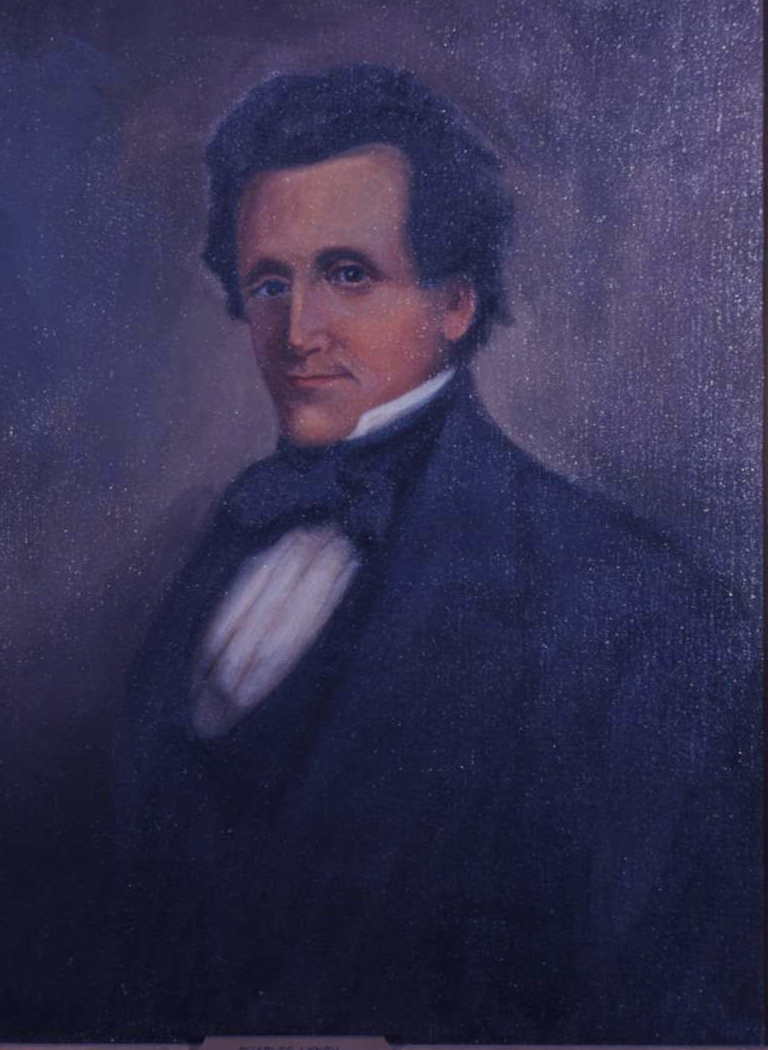
Charles Lynch
U.S.A.

Social Media

Personal Background
Charles Lynch began his career as a farmer before entering public service as a probate judge in Lawrence County, Mississippi. He later served in the Mississippi State Senate and participated in the Constitutional Convention. Lynch was elected President of the Senate and subsequently served as governor, where he advocated for criminal justice reform and the creation of a state penitentiary. During his governorship, he also approved the chartering of the Union Bank, which ultimately failed due to economic conditions. Post-governorship, Lynch held leadership roles in railroad and banking sectors and served as Commissioner of Public Buildings for Jackson, overseeing significant construction projects.
Political Ideas
Charles Lynch's political career is marked by a blend of progressive social reforms and economically risky decisions, creating a unique tension in his ideological stance. His advocacy for criminal justice reform and a state system of public schools contrasts sharply with his support for the issuance of risky bonds during the Panic of 1837, which led to the failure of the Union Bank. Lynch's legislative actions, such as creating new counties post-treaty, reveal a calculated approach to regional development, yet his inability to pass a public education plan indicates a disconnect between his rhetoric and legislative success.