Alfred A. Taylor
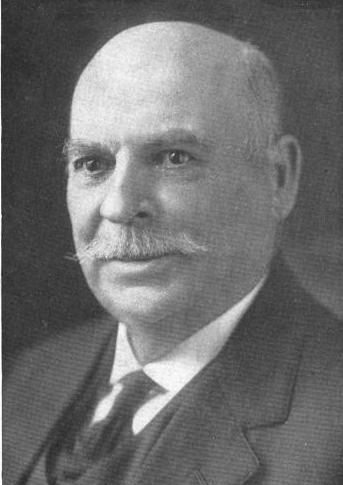
Alfred A. Taylor
U.S.A.

Social Media

Personal Background
Alfred A. Taylor's foundational background is rooted in a robust educational foundation, including attendance at Duffield Academy, Buffalo Institute, and Pennington Seminary. He gained early political experience by accompanying his father to Kansas as part of the Indian Peace Commission and later practiced law in Tennessee. Taylor transitioned from private practice to a public sector role, serving in the Tennessee House of Representatives and later in the U.S. Congress. His tenure as Governor of Tennessee showcased his focus on tax reform, rural school reform, infrastructure development, and labor dispute resolution.
Political Ideas
Alfred A. Taylor's political identity is marked by an intriguing blend of progressive and conservative stances. His support for the McKinley Tariff, a protectionist measure, juxtaposes his advocacy for rural school reform and women's suffrage, revealing an ideologically agile approach. Taylor's legislative record shows an unexpected convergence with opposing factions on environmental regulations, indicating a highly calculated strategy to protect regional industrial interests. His rhetorical style likely emphasizes practical, localized solutions, though he navigates complex policy landscapes with surprising flexibility.