Alvin Hawkins
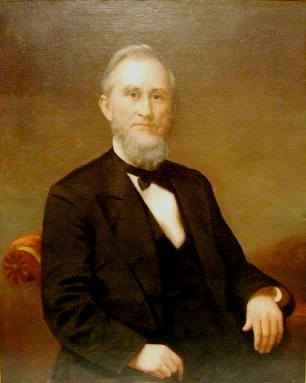
Alvin Hawkins
U.S.A.

Social Media

Personal Background
Alvin Hawkins was admitted to the bar in 1843 after studying law under Judge Benjamin Totten. He established a law practice in Huntingdon and transitioned into politics, serving one term in the Tennessee House of Representatives. Hawkins held various judicial roles, including appointments to the Tennessee Supreme Court and the position of United States Attorney for West Tennessee. He was elected Governor of Tennessee, during which he focused on fiscal responsibility and educational reforms. Post-governorship, Hawkins returned to private law practice and remained active in civic and religious affairs.
Political Ideas
Alvin Hawkins's political philosophy is marked by a blend of fiscal conservatism and progressive education reforms, creating a unique ideological tension. His advocacy for full repayment of state debt contrasts with his support for increased state property tax, which was later deemed unconstitutional. Hawkins's legislative actions, such as establishing the state's first professional institute, reveal a commitment to educational advancement, despite his fiscally conservative stance. His judicial career further complicates his ideological profile, as he upheld strict voting requirements while pushing for educational reforms.