Anthony Colby
Anthony Colby
U.S.A.
Social Media

Personal Background
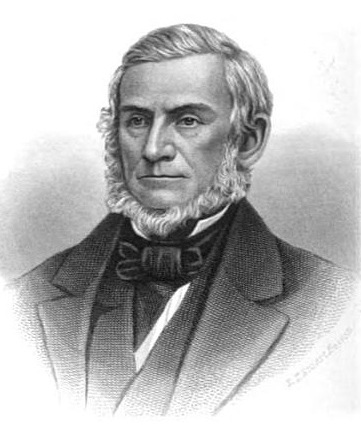
Anthony Colby established a successful career as a business owner and operator, managing ventures such as a stagecoach line, gristmill, and a scythe factory. He served in the militia during the War of 1812 and rose to the rank of major general by 1837. Colby held positions in the New Hampshire House of Representatives and served as governor for a brief period. He also held the role of Adjutant General of the New Hampshire Militia during the American Civil War and later became provost marshal of the militia. Colby was a trustee of Dartmouth College and founded Colby Academy, which later became Colby-Sawyer College.
Political Ideas
Anthony Colby's political identity is marked by an intriguing blend of business acumen and military dedication, advocating for policies that support entrepreneurship while maintaining a strong commitment to local defense. His economic policies favor business ventures, yet his military service suggests a readiness to balance industrial growth with regional security needs. Colby's educational initiatives, from his trusteeship at Dartmouth College to founding Colby Academy, reveal a strategic focus on long-term community development. His rhetorical style likely emphasizes the symbiotic relationship between economic prosperity and civic duty, presenting a unique narrative that intertwines personal success with public service.