Charles K. Williams
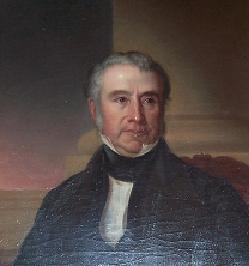
Charles K. Williams
U.S.A.
Social Media

Personal Background
Charles K. Williams graduated from Williams College and pursued a career in public service, holding various positions in the Vermont House of Representatives and the Vermont Militia. He served as a justice of the Vermont Supreme Court and later as its Chief Justice. Williams also held roles such as Rutland County State's Attorney and Vermont's US Collector of Customs. His professional expertise and leadership capabilities were further demonstrated through his involvement in educational governance as State Commissioner for common schools and his presidency of the Williams College Alumni Association.
Political Ideas
Charles K. Williams's political identity is marked by a steadfast commitment to abolitionism, which he pursued even when it cost him a gubernatorial bid in 1842. His tenure as Governor saw significant legislative action against slavery, including the Habeas Corpus Act. Williams's judicial philosophy stands out for its uncompromising stance against legislative overreach, as evidenced by his landmark opinion on judicial independence. His personal and professional ties to educational institutions suggest a deep-rooted belief in the transformative power of knowledge, potentially influencing his policy approaches.