Charles Paine
Charles Paine
U.S.A.
Social Media

Personal Background
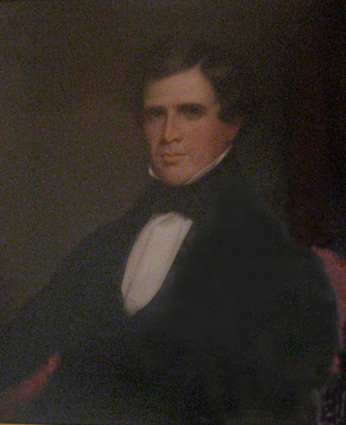
Charles Paine graduated from Harvard University in 1820 and subsequently managed the family woolen mill in Northfield, Vermont. He served in the Vermont House of Representatives and later became the 15th governor of Vermont, where he implemented stricter accounting of public funds. Paine founded the Vermont Central Railroad, which he led as its first president, although it later went bankrupt due to overexpansion and mismanagement. He relocated the railroad's headquarters to St. Albans and renamed it the Central Vermont Railroad. Paine passed away in 1853 while assisting the Southern Pacific Railroad.
Political Ideas
Charles Paine's political identity is marked by a blend of fiscal conservatism and regional development initiatives. He advocated for stringent public fund management as governor, yet his economic ventures, like the Vermont Central Railroad, highlight a risk-taking approach that ultimately led to financial failure. Paine's social initiatives, such as the construction of Paine's Meeting House, reveal a commitment to community welfare, contrasting with his more speculative economic endeavors. His actions suggest a complex interplay between cautious governance and ambitious infrastructural ambitions.