Charles L. Robinson
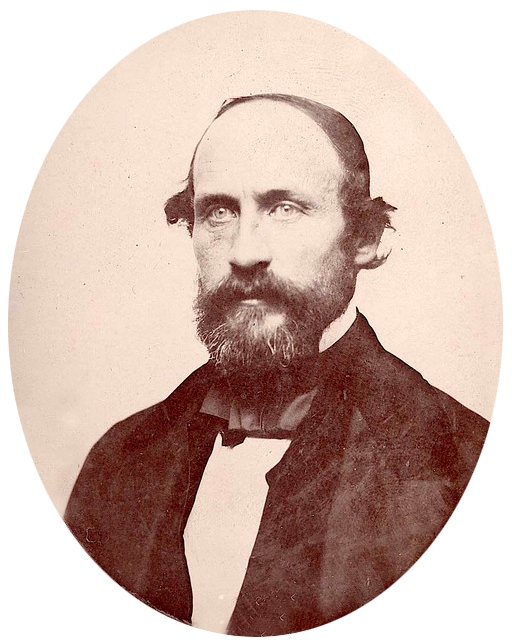
Charles L. Robinson
U.S.A.

Social Media

Personal Background
Charles L. Robinson pursued a medical career following his education at Hadley, Amherst, and Berkshire Medical College. He practiced medicine in Massachusetts before engaging in political activities during the California Gold Rush. Robinson played a pivotal role in the antislavery movement in Kansas, founding Lawrence and organizing an alternative Free State government. He served as the first governor of Kansas and was later impeached for mishandling bond sales, though he was acquitted. Robinson also held positions in the Kansas State Senate and as President of the Kansas Historical Society, in addition to roles in education administration.
Political Ideas
Charles L. Robinson's political identity is marked by a steadfast commitment to anti-slavery principles, which he pursued through highly localized governance strategies. His establishment of an alternative Kansas government to combat proslavery forces reveals a disruption-oriented approach to state formation. Robinson's stance on state governance, advocating for gubernatorial control over military forces, underscores a centralized authority philosophy. Despite being impeached for mishandling bond sales, he was acquitted, highlighting a resilience against political attacks. His roles in healthcare and education, from practicing medicine to overseeing institutions like the Haskell Institute, suggest an integrated approach to public service and reform.