David Stone
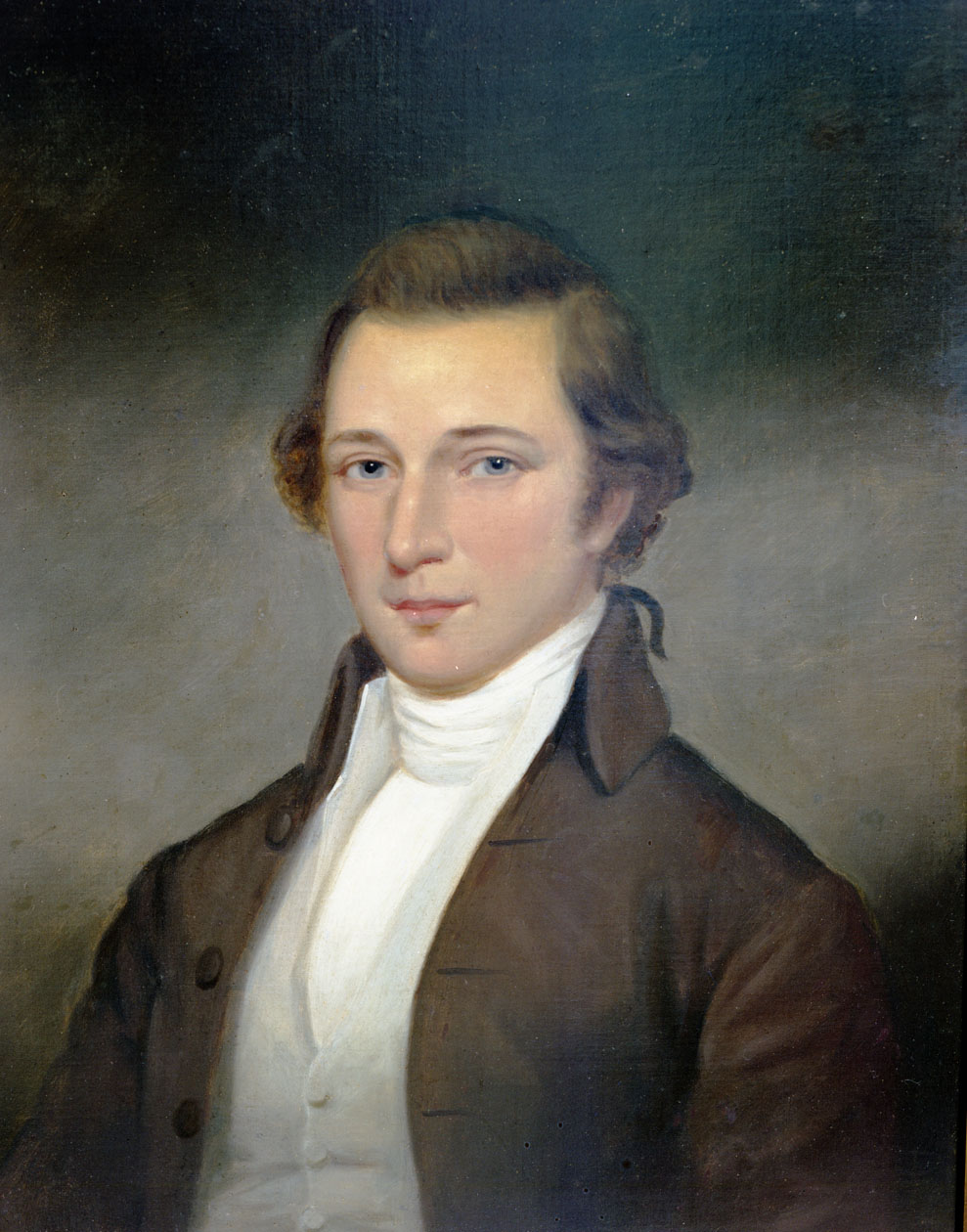
David Stone
U.S.A.

Social Media

Personal Background
David Stone, a descendant of early American settlers, graduated with honors from Princeton University and pursued law studies in North Carolina. He established a private legal practice and later managed plantations using enslaved labor. Stone transitioned from private practice to public service, holding various roles in state and federal government, including serving in the North Carolina House of Commons and the United States Senate. He also served as Governor of North Carolina, where he championed agricultural and educational reforms. Stone's career highlights include his involvement in ratifying the U.S. Constitution and his leadership in the Neuse River Navigation Company.
Political Ideas
David Stone's political identity is marked by a blend of progressive advocacy for economic and educational reforms with a reliance on practices rooted in the era's social norms, such as slavery. His legislative career reveals a calculated approach to regional development, balancing support for agricultural and industrial growth with educational expansion. However, this progressive stance coexists uneasily with his ownership of enslaved people, creating a conceptual tension that invites deeper inquiry into his justifications. Stone's rhetorical style likely navigated these contradictions with a focus on pragmatic regional benefits, though the specifics remain to be explored.