David Walker
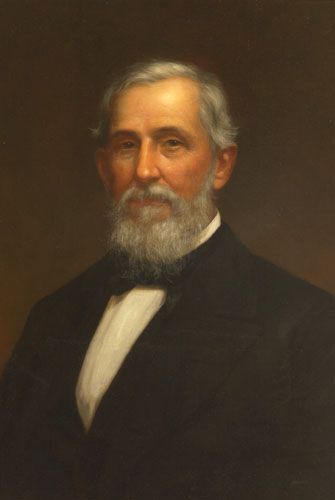
David Shelby Walker
U.S.A.

Social Media

Personal Background
David Walker began his career in public service in Florida, where he was elected to the state legislature and later the House of Representatives. He held various state positions, including Superintendent of Public Instruction and Register of Public Lands. Walker transitioned from private to public sector roles, gaining extensive experience in governance. He was appointed a Florida Supreme Court Justice and later a circuit court judge, showcasing his commitment to the judiciary. Walker's contributions to public education included establishing Tallahassee's first library and advocating for public schools.
Political Ideas
David Walker's political identity is marked by a complex blend of traditionalism and calculated pragmatism, particularly in his stance on secession and public education. His support for Florida's secession in 1861, despite earlier opposition, reveals a strategic alignment with regional interests. Walker's approach to governance, as seen in his efforts to preserve the antebellum system during Reconstruction, underscores a deeply rooted commitment to maintaining established structures. His establishment of Tallahassee's first library and advocacy for public schools, however, indicates an unexpected progressive streak in education policy, highlighting a nuanced approach to societal development.