George C. Washington
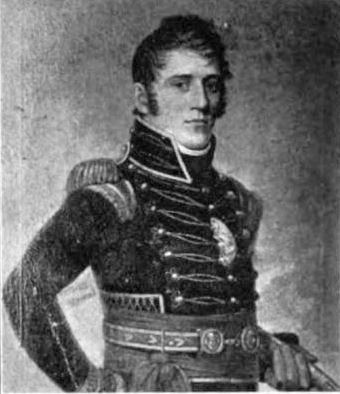
George C. Washington
U.S.A.

Social Media

Personal Background
George C. Washington exhibited a robust educational foundation, attending Phillips Academy and Harvard University. He devoted significant time to agricultural management on his Maryland plantation. Washington's career included various leadership roles in the Maryland House of Delegates and U.S. Congress, where he chaired the Committee on District of Columbia. He also served as President of the Chesapeake and Ohio Canal Company and was appointed to settle claims under a treaty with the Cherokee Nation. These roles highlight his expertise in infrastructure and public sector negotiations.
Political Ideas
George C. Washington's political identity is marked by a blend of regional advocacy and unexpected alliances. His legislative focus on infrastructure, especially the Chesapeake and Ohio Canal, showcases a strategic emphasis on economic development. Washington's support for settling claims under the 1835 treaty with the Cherokee Nation reveals a commitment to treaty adherence, albeit within a broader regional economic framework. His political journey from the Anti-Jacksonian party to the Know Nothings highlights an ideologically agile approach, navigating between factions to protect local interests.