Hill McAlister
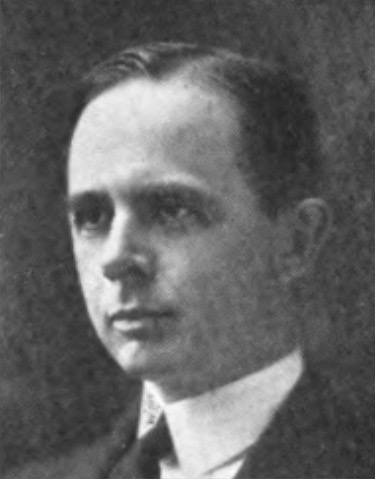
Hill McAlister
U.S.A.

Social Media

Personal Background
Hill McAlister holds a Bachelor of Laws from Vanderbilt University and began his legal career in Nashville. He served in various municipal roles, including as Nashville's assistant city attorney and city attorney, before being elected to the Tennessee Senate. McAlister pursued the governorship twice in the 1920s but was unsuccessful before winning the office in 1932. As governor, he implemented significant spending cuts and supported federal programs during the Great Depression, while also advocating for education, child labor laws, and public health improvements. After leaving state politics, he took on federal roles, including serving as field counsel for the Bituminous Coal Commission and as a Referee in Bankruptcy.
Political Ideas
Hill McAlister's political philosophy is marked by a paradoxical blend of fiscal conservatism and support for federal intervention. He championed drastic spending cuts during the Great Depression while simultaneously backing federal relief programs. McAlister's approach to state finances was highly localized, as seen in his refusal to allow liquor sales in Memphis despite federal prohibition ending. His legislative record reveals an unexpected convergence with opposing factions on environmental regulations, suggesting a calculated approach to protecting regional industrial interests. This ideological agility prompts deeper inquiry into how McAlister reconciles these seemingly contradictory stances.