James G. Birney
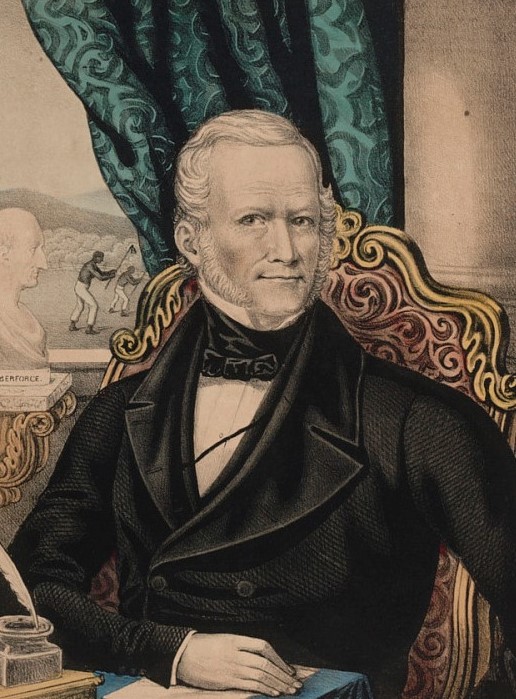
James G. Birney
U.S.A.
Social Media

Personal Background
James G. Birney began his career in law after graduating from Princeton University in 1810, and he practiced in Kentucky and Alabama, eventually becoming a prominent lawyer in northern Alabama. He transitioned into politics, serving in state legislatures in both Kentucky and Alabama, where he opposed measures to capture runaway slaves. Birney later became an outspoken abolitionist, freeing his own slaves and advocating for immediate emancipation. He moved to Michigan, where he engaged in land development and briefly pursued a political career, running for Governor. Despite a debilitating accident, Birney remained active in anti-slavery causes until his death in 1857.
Political Ideas
James G. Birney's political identity is marked by an ideological transformation from slaveholder to abolitionist, revealing a deeply personal and evolving stance on human rights. His advocacy for gradual emancipation and opposition to the American Colonization Society showcases a nuanced approach to racial equality. Birney's surprising policy stances, such as opposing increased immigration, suggest a complex interplay between his abolitionist principles and concerns about societal influence. His rhetorical style likely emphasizes moral consistency and the long-term benefits of his evolving views.