John S. Barry
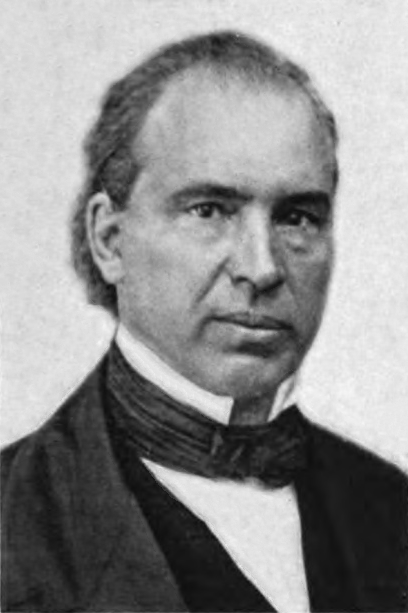
John S. Barry
U.S.A.

Social Media

Personal Background
John S. Barry was born in 1802 in Amherst, New Hampshire, and later moved to Vermont where he worked on a family farm and received local education. He married Mary Kidder in 1824 and relocated to Georgia, Vermont, where he taught school and studied law. Barry transitioned to Michigan in 1831, becoming a merchant and engaging in local politics, serving as a justice of the peace in White Pigeon. He played a role in drafting Michigan's first constitution and served multiple terms as a state senator. Barry's governorship saw significant developments, including the establishment of the University of Michigan and the expansion of the state's railroad system.
Political Ideas
John S. Barry's political career reveals a strategic blend of regional pragmatism and ideological rigidity, particularly in his support for the Wilmot Proviso despite his Democratic affiliations. His tenure as Michigan's governor saw significant infrastructural developments, hinting at a calculated approach to economic growth. Barry's involvement in drafting Michigan's constitution and his participation in national conventions underscore a commitment to both local and national governance. His surprising alignment with anti-slavery measures while remaining within the Democratic Party highlights a nuanced ideological positioning.