James Ross
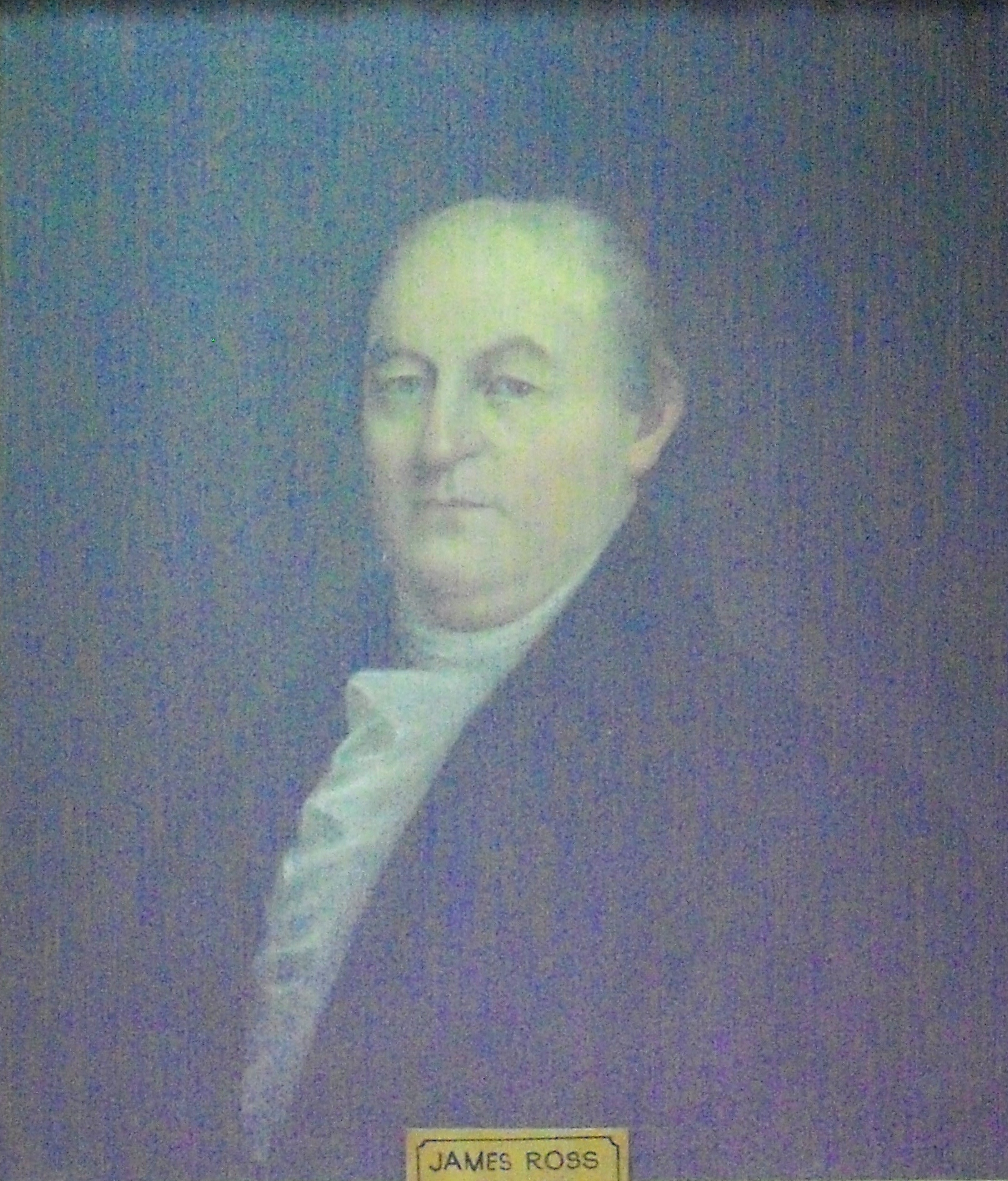
James Ross
U.S.A.

Social Media

Personal Background
James Ross received a classical education and was admitted to the bar, specializing in land law. He played a significant role in drafting Pennsylvania's constitution and was elected to the American Philosophical Society. Ross spent several years in the United States Senate, where he authored legislation and engaged in key political negotiations. He transitioned from private practice to public service, showcasing leadership in both spheres. Ross's expertise in land law and electoral processes was notable, as evidenced by his legislative proposals and involvement in pivotal historical events.
Political Ideas
James Ross combines a Federalist ideological foundation with a notably flexible approach to land and electoral policies. His legislative efforts, such as proposing a committee-based electoral vote handling system, reveal a strategic inclination towards procedural innovation. Ross's support for military action to seize New Orleans, despite his Federalist leanings, showcases a calculated prioritization of regional economic interests. His deft handling of the Whiskey Rebellion without bloodshed further illustrates a preference for stability over confrontation.