James Wood
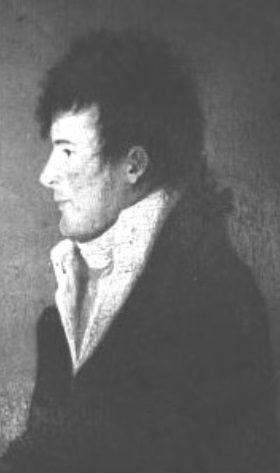
James Wood
U.S.A.

Social Media

Personal Background
James Wood began his career in public service as a Deputy Clerk of the County Court and later served in the Virginia House of Burgesses. He gained military experience during the Revolutionary War, rising to the rank of brigadier general in the Virginia militia. Post-war, Wood held significant political roles, including advising the Governor and serving as President of the Virginia Society of the Cincinnati. He was elected as Virginia's eleventh governor, a position he held for three terms.
Political Ideas
James Wood's political identity is marked by a blend of military pragmatism and abolitionist ideals, revealing an unexpected convergence of regional security and moral reform. His military career, from Dunmore's War to managing British prisoners, demonstrates a calculated approach to defense, yet his active role in the Virginia Society for the Abolition of Slavery suggests a nuanced stance on human rights. This duality in Wood's career raises intriguing questions about how he balanced these seemingly disparate commitments.