Joel Palmer
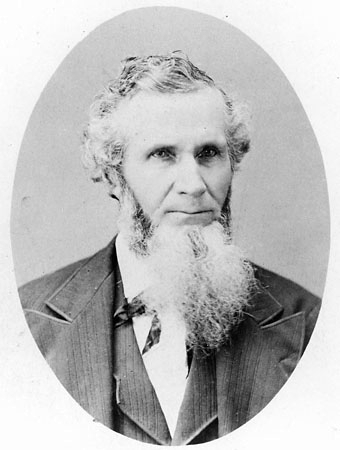
Joel Palmer
U.S.A.

Social Media

Personal Background
Joel Palmer was born in Ontario, Canada, and moved to the United States during the War of 1812. He completed a brief period of formal education and later indentured himself to a family in New York. Palmer engaged in various ventures, including canal projects and the California Gold Rush, before settling in Oregon. He played a significant role in the region's development, including co-founding Dayton, Oregon, and negotiating treaties with Native American tribes. Palmer held several political positions, such as serving in the Indiana House of Representatives and the Oregon State Senate, and was appointed Superintendent of Indian Affairs. His career was marked by a focus on infrastructure and Native American relations, leading to both recognition and controversy.
Political Ideas
Joel Palmer's political identity is marked by his nuanced approach to Indian affairs, balancing treaty negotiations with resettlement, which earned him a reputation both favorable and contentious among settlers. His strategic positioning as a bridge between Native American interests and settler expansion reveals a calculated effort to manage regional tensions. Palmer's rhetoric often emphasized stability and progress, though his support for Native American rights sometimes placed him at odds with broader settler sentiment. His legislative record reveals an unexpected convergence with opposing factions on environmental regulations, indicating a highly localized approach to protecting regional industrial interests.