John B. Swainson
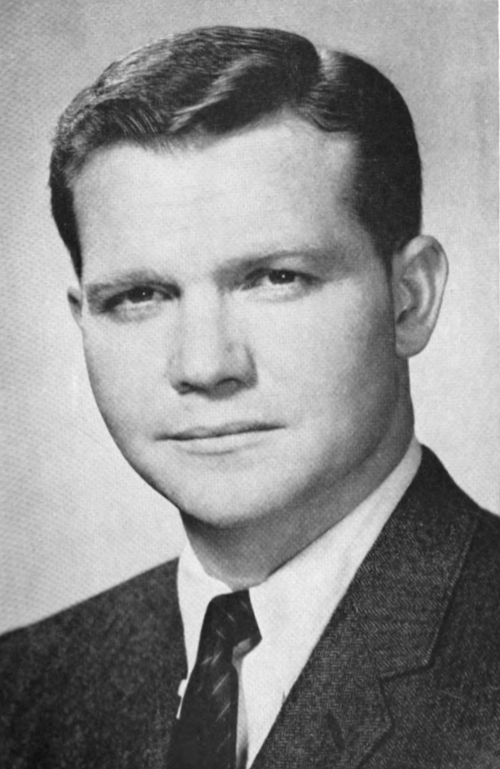
John B. Swainson
U.S.A.

Social Media

Personal Background
John B. Swainson, born in Windsor, Ontario, and raised in Michigan, graduated with a J.D. from the University of North Carolina at Chapel Hill. He served in World War II, where he lost both legs and was decorated for his service. After rehabilitation, Swainson entered public service, rising to the position of Michigan's 42nd governor at age 35. Throughout his career, Swainson held various judicial positions, including serving on the Michigan Supreme Court, and was a noted advocate for veterans' rights and judicial reform.
Political Ideas
John B. Swainson's political identity is marked by an intriguing blend of progressive tax policies and unexpected alliances. He implemented a tax on telegraphs, telephones, and leased wires while simultaneously raising liquor, beer, and cigarette taxes to fund education, revealing a nuanced approach to fiscal matters. Swainson's judicial reforms, including appointing the first African American to the Michigan Supreme Court, underscore his commitment to equity. His decision to cancel the Bluewater International Bridge toll, despite personal implications, highlights a principled stance on infrastructure that prioritizes broader regional benefits. Swainson's career is a tapestry of calculated policy decisions that merit deeper examination.