John Marshall Harlan
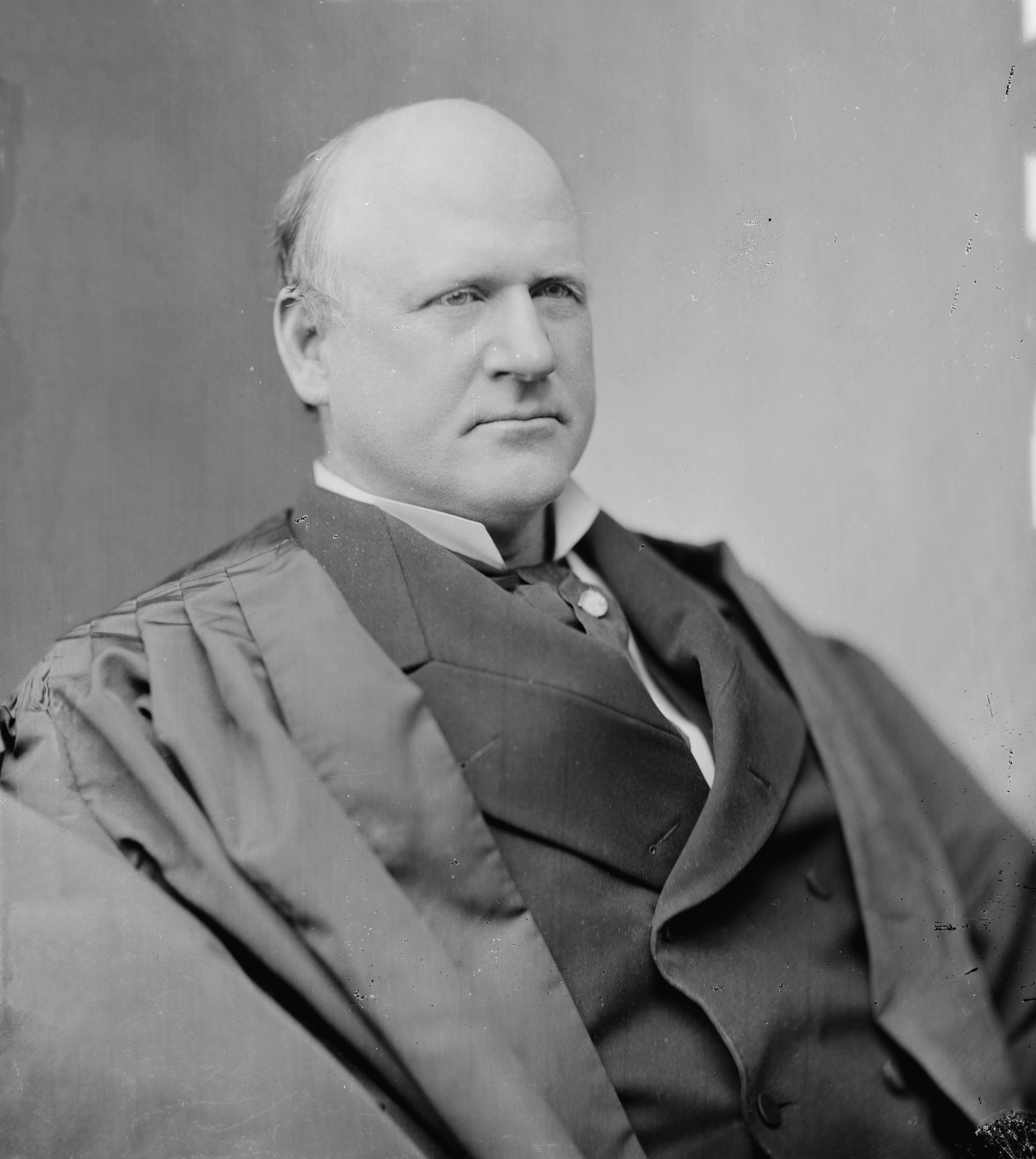
John Marshall Harlan
U.S.A.

Social Media

Personal Background
John Marshall Harlan graduated from a prestigious college and was a member of a notable fraternity. He pursued a legal career, joining his father's practice and gaining admission to the state bar. Harlan spent a significant portion of his career in the judiciary, culminating in a lengthy tenure on the Supreme Court. His professional background in law and judicial service establishes a foundation of expertise in constitutional interpretation and civil rights.
Political Ideas
John Marshall Harlan's ideological positioning is marked by a principled stance on civil rights, juxtaposed with a nuanced interpretation of economic policies. His advocacy for applying the Fourteenth Amendment to extend the Bill of Rights to state governments reveals a calculated approach to constitutional interpretation. Harlan's dissent in Plessy v. Ferguson underscores his commitment to racial equality, even as he navigates complex economic and social landscapes. His legacy, reflected in various commemorations, highlights a unique blend of judicial philosophy and civil rights advocacy.