John Robinson
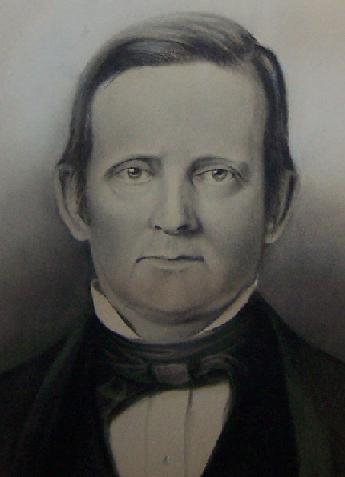
John Robinson
U.S.A.

Social Media

Personal Background
John Robinson, born in 1804 in Bennington, Vermont, established a foundational background rooted in both education and political lineage. Graduating from Williams College, he pursued a legal career, passing the bar in 1827. Robinson's political career began with service in the Vermont House of Representatives and later the Vermont Senate. He ran multiple times for governor, achieving notable positions as a Democratic candidate, and eventually served as the 22nd governor of Vermont from 1853 to 1854. His political aspirations were influenced by the division within the Democratic Party, which impacted his electoral outcomes. Robinson's legacy is marked by his role as the first Democratic governor of Vermont for over a century.
Political Ideas
John Robinson's political identity is marked by a blend of traditional Democratic principles with a strategic focus on regional economic interests. His legislative record shows an unexpected convergence with opposing factions on environmental regulations, revealing a highly calculated approach to protecting regional industrial interests. Robinson's rhetorical style often emphasizes local governance and community-centric policies, which contrasts with the broader national Democratic platform of the time. His political career, marked by significant family influence, reveals a unique tension between personal legacy and broader party ideology.