Luman Hamlin Weller
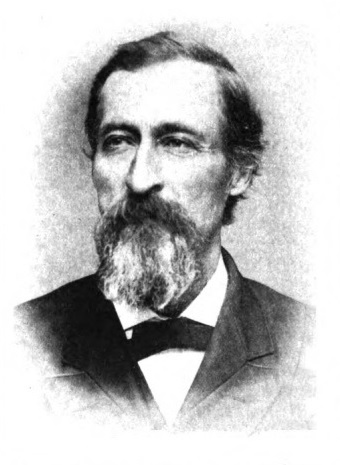
Luman Hamlin Weller
U.S.A.
Social Media

Personal Background
Luman Hamlin Weller began his career as a farmer, justice of the peace, and private practice lawyer before entering politics. He gained a congressional seat in 1882, representing Iowa's 4th district, where he focused on agricultural and economic reforms. Weller proposed removing duties on barbed wire and advocated for redeeming trade-dollars as bullion. After his defeat in the 1884 re-election, he transitioned to journalism and political activism, serving as a delegate to the People’s Party and opposing Populist-Democrat coalitions.
Political Ideas
Luman Hamlin Weller's political identity is marked by an intriguing blend of localized economic advocacy and ideological rigidity. Despite his Democratic affiliation, Weller's stance on tariff reductions for barbed wire and opposition to banks' currency issuance power reveals a nuanced approach to economic regulation. His legislative amendments favoring farmers and small shippers underscore a strategic alignment with specific regional interests, while his resistance to Populist-Democrat coalitions highlights a principled stance against broader political alliances. This combination of targeted economic policies and steadfast ideological opposition presents a complex figure whose motivations warrant deeper exploration.