Malcolm R. Patterson
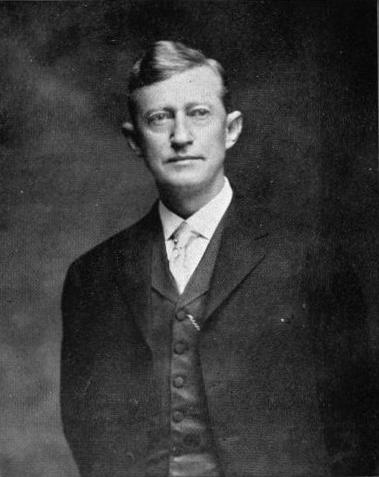
Malcolm R. Patterson
U.S.A.

Social Media

Personal Background
Malcolm R. Patterson was born in 1861 in Somerville, Alabama, and later moved to Memphis, Tennessee. He pursued a legal career, gaining admission to the bar in 1883 and serving as attorney general for Shelby County. Patterson transitioned to politics, representing Tennessee in the U.S. House of Representatives before becoming the state's 30th governor. During his governorship, he established the State Highway Commission and signed the General Education Act, which created several colleges. Despite his initial opposition to Prohibition, he later joined the temperance cause. After his political career, Patterson worked as a circuit court judge and contributed to public discourse through a weekly column.
Political Ideas
Malcolm R. Patterson's political identity is marked by an intriguing blend of progressive education reforms and conservative social policies. He initially opposed Prohibition but later embraced it, revealing a strategic shift in alignment with evolving social norms. Patterson's governance style is characterized by bold actions, such as quelling uprisings with the state guard, yet his controversial pardons expose a willingness to bend justice for personal or political gain. His legislative initiatives, from creating state universities to banning gambling, illustrate a pragmatic yet ideologically inconsistent approach.