Nathaniel Macon
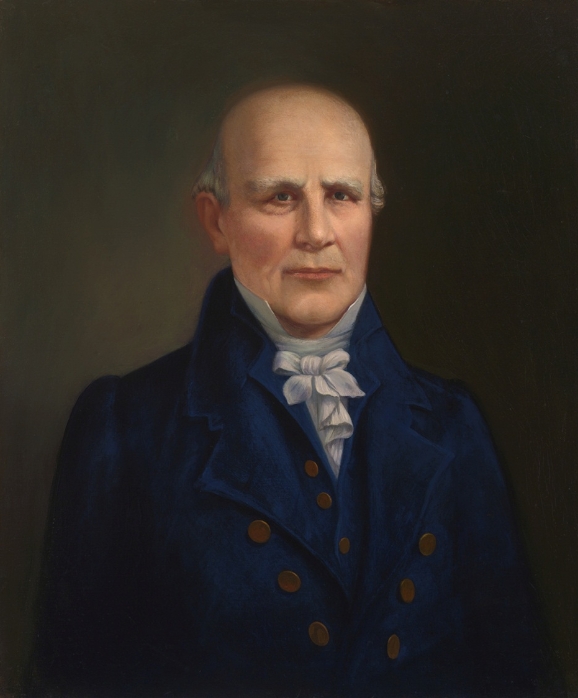
Nathaniel Macon
U.S.A.

Social Media

Personal Background
Nathaniel Macon was born in 1757 near Warrenton, North Carolina, and received his early education with Mr. Charles Pettigrew. He attended the College of New Jersey (Princeton) but did not graduate. Macon served in the American Revolution and later studied law. He married Hannah Plummer in 1783, and after her death in 1790, he entered public service. Macon held various positions in the United States House of Representatives and Senate, including serving as Speaker of the House and President pro tempore of the Senate. He was known for his advocacy of strict constitutional construction, state sovereignty, and stringent economy in public spending.
Political Ideas
Nathaniel Macon's political identity is defined by his staunch defense of state sovereignty and strict constitutional construction, often at odds with federal initiatives. His economic philosophy is rooted in stringent public spending and opposition to federal financial institutions, such as the United States Bank. Macon's foreign policy stance aligns closely with Jeffersonian ideals, opposing Hamiltonian policies and favoring limited military expenditures. His ardent defense of slavery and opposition to the Missouri Compromise further underscore his ideological rigidity. Macon's legislative record reveals a calculated approach to regional interests, particularly in his support for federal road construction while opposing other internal improvements.