Richard Dobbs Spaight
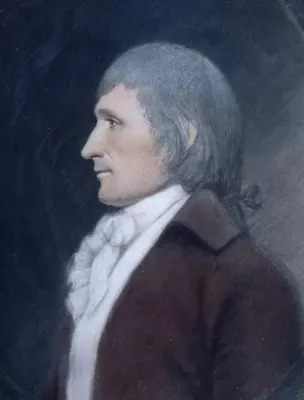
Richard Dobbs Spaight
U.S.A.

Social Media

Personal Background
Richard Dobbs Spaight exhibited a foundational background in public service and governance. He began his career by participating in significant events leading up to the American Revolution, including serving as a delegate to the First Continental Congress and signing the Declaration of Independence. Spaight continued to contribute to national governance by serving in the Continental Congress and later as a delegate to the Constitutional Convention. He further cemented his commitment to public service by serving as a U.S. Senator from North Carolina. Throughout his career, Spaight demonstrated expertise in economic policy, environmental sustainability, and governance, advocating for a balanced budget, national bank, and a strong federal framework.
Political Ideas
Richard Dobbs Spaight consistently advocated for a strong national economy while simultaneously supporting sustainable land use, creating an intriguing balance between industrial growth and environmental stewardship. His support for a national bank and fiscal responsibility reveals a traditional economic stance, yet his cautious approach to foreign alliances hints at an unexpected wariness towards international entanglements. Spaight's belief in a robust central government to ensure national unity contrasts with his diplomatic neutrality, showcasing a complex ideological positioning. His rhetorical style likely emphasized calculated pragmatism, balancing regional interests with broader national goals.