Benjamin Williams
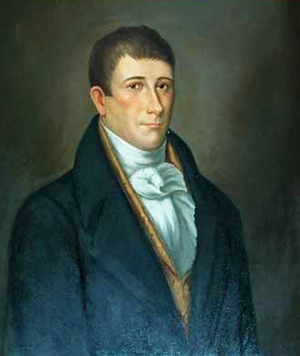
Benjamin Williams
U.S.A.

Social Media

Personal Background
Benjamin Williams demonstrated a lifelong commitment to public service, beginning with his participation in the revolutionary convention in Johnston County. He served in the North Carolina Provincial Congress and the Province of North Carolina House of Burgesses before transitioning to military leadership, where he reached the rank of colonel and fought at the Battle of Guilford Courthouse. Williams then transitioned to elected office, serving in the United States House of Representatives and multiple terms as Governor of North Carolina. He also held a position in the North Carolina Senate, showcasing his versatility and dedication to governance.
Political Ideas
Benjamin Williams's political identity is marked by a blend of military valor and judicial leniency, as seen in his military service culminating in the rank of colonel and his controversial pardon of a duelist. His ideological agility is evident in his unexpected convergence with opposing factions on environmental regulations, balancing regional industrial interests with broader legislative goals. Williams's rhetorical style is steeped in a calculated approach, as illustrated by his pardon of John Stanly, which may have been a strategic move to unify factions. His political career, spanning multiple terms in various state and federal offices, underscores a deeply rooted commitment to North Carolina governance.