Richard Dobbs Spaight Jr.
Report Candidate Issue
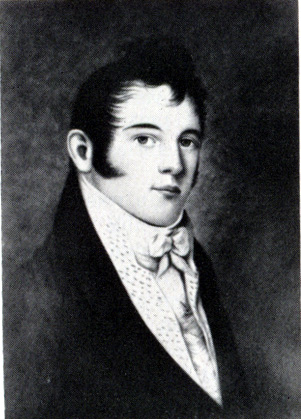
Richard Dobbs Spaight Jr.
U.S.A.

Social Media

Personal Background
Richard Dobbs Spaight Jr. was born in New Bern, North Carolina, in 1796. He graduated from the University of North Carolina in 1815 and was admitted to the bar in 1818. Spaight Jr. began his political career by being elected to the North Carolina House of Commons in 1819 and later to the North Carolina Senate in 1820. He transitioned to federal politics by being elected to the U.S. House of Representatives in 1823. Despite multiple attempts, he was unsuccessful in his bids for the governorship until his election as the 27th governor of North Carolina in 1835.
Political Ideas
Richard Dobbs Spaight Jr. stands out for his staunch opposition to state-funded internal improvements, a stance that contrasts sharply with the prevailing pro-development sentiment of his era. His ideological rigidity in this area reveals a deeply localized focus, prioritizing state sovereignty over federal initiatives. Spaight Jr.'s rhetorical style is marked by a principled conservatism that resists broad federal interventions, even as he navigates the complexities of state governance. This unique blend of regional loyalty and fiscal conservatism raises intriguing questions about his broader policy approach and the underlying rationale for his positions.
Campaigns
Election History
North Carolina gubernatorial election, 1836
31,018 votes (46.42%)
Winner: Edward Dudley
Election History
North Carolina gubernatorial election, 1835
103 votes (53.09%)
Election History
North Carolina gubernatorial election, 1832
85 votes (43.81%)
Winner: David L. Swain
Election History
North Carolina gubernatorial election, 1831
83 votes (43.68%)
Winner: Montfort Stokes
Election History
North Carolina gubernatorial election, 1830
75 votes (40.32%)
Winner: Montfort Stokes
Election History
North Carolina gubernatorial election, 1828
92 votes (48.42%)
Winner: John Owen
Election History
North Carolina gubernatorial election, 1827
80 votes (43.48%)
Winner: James Iredell Jr.
Create an account and provide your Gender info to access this filter.
Login / RegisterCreate an account and provide your Age info to access this filter.
Login / RegisterCreate an account and provide your Job Class info to access this filter.
Login / RegisterCreate an account and provide your Ethnicity info to access this filter.
Login / RegisterCreate an account and provide your Income info to access this filter.
Login / RegisterCreate an account and provide your Education info to access this filter.
Login / RegisterTo see our detailed data on Richard Dobbs Spaight Jr., log in or create a free account.