Roger B. Taney
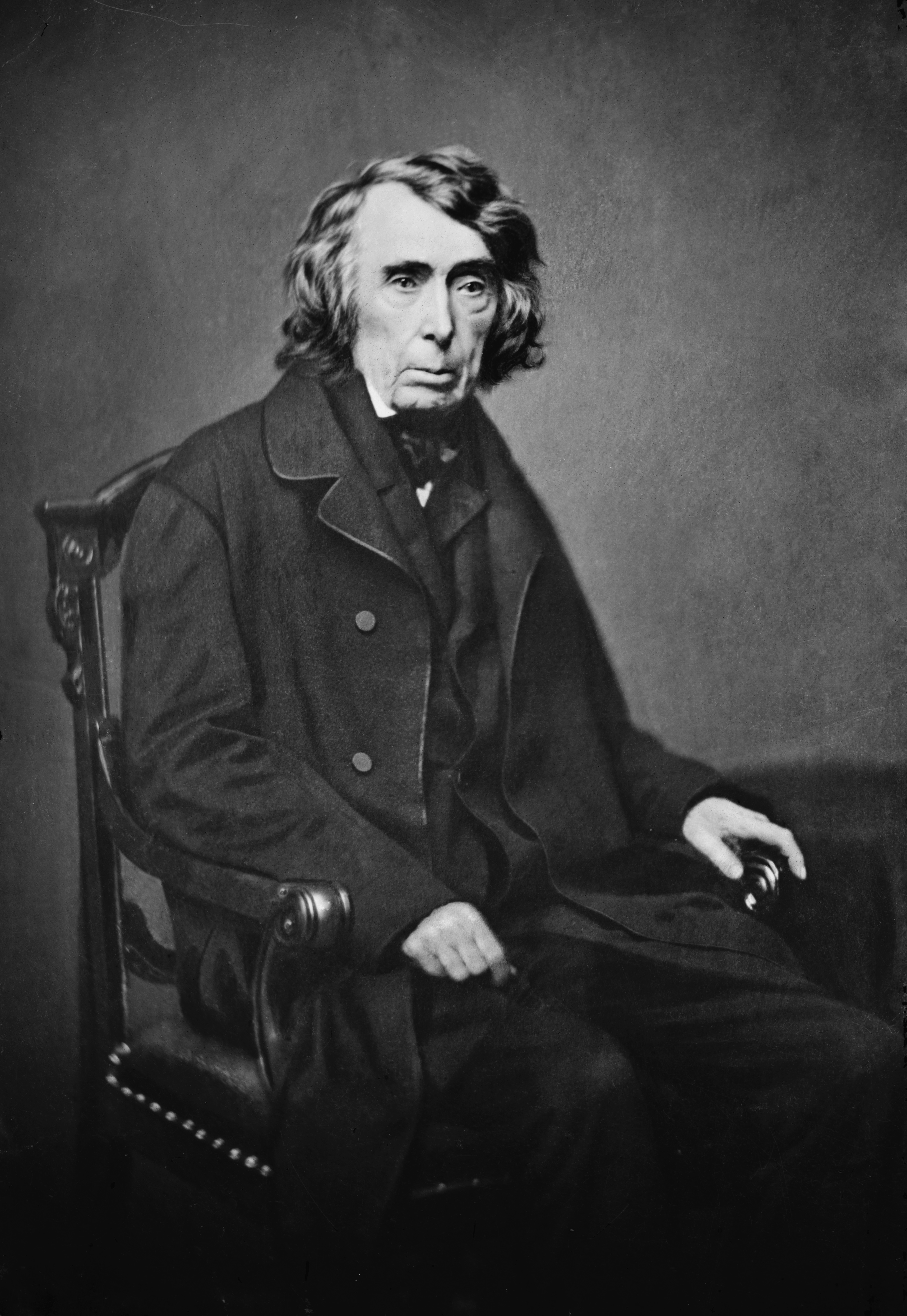
Roger B. Taney
U.S.A.

Social Media

Personal Background
Roger B. Taney graduated from Dickinson College and was admitted to the Maryland bar. He began his career in public service by being elected to the Maryland State Senate and later served as the state's Attorney General. Taney transitioned to federal service when appointed Attorney General of the United States and eventually became the fifth Chief Justice of the United States. Throughout his career, Taney demonstrated expertise in legal and constitutional matters, particularly in the areas of federalism, states' rights, and slavery.
Political Ideas
Roger B. Taney's judicial philosophy reveals a complex tension between states' rights and federal authority, particularly in his landmark rulings. He championed judicial restraint but simultaneously expanded federal power in admiralty law. Taney's decisions on slavery and fugitive slave laws starkly contrast with his later opposition to President Lincoln's Civil War measures, showcasing a deeply calculated approach to regional interests. His rhetorical style often framed issues in a way that emphasized state sovereignty, even when it conflicted with broader national interests.