Rush Holt Sr.
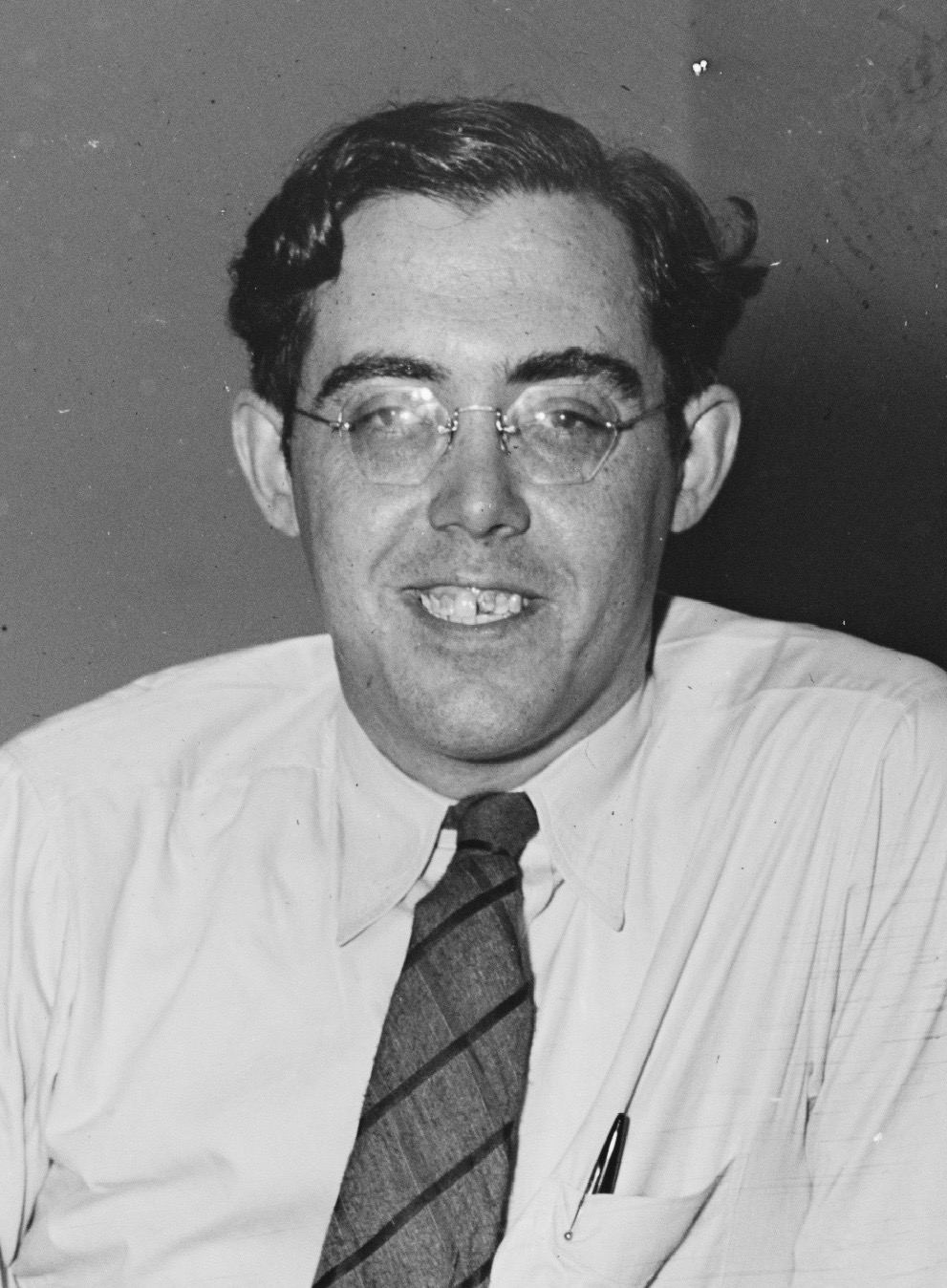
Rush Holt Sr.
U.S.A.

Social Media

Personal Background
Rush Holt Sr. was born in 1905 in Weston, Lewis County, West Virginia. He graduated from Salem College in 1924 and began a career in public service, serving in the West Virginia House of Delegates from 1931 to 1935. Holt then served in the United States Senate from 1935 to 1941, where he became a notable conservative critic of the New Deal. After his Senate term expired, he continued to reside in Washington, D.C., as a lecturer and author, and later switched to the Republican Party, unsuccessfully running for various offices.
Political Ideas
Rush Holt Sr. presents a complex political identity marked by ideological shifts and unexpected policy positions. Initially supportive of the New Deal, he became a vocal critic, particularly of the Works Progress Administration, reflecting a conservative economic stance. Holt's staunch isolationism and opposition to military spending reveal a non-standard approach to foreign policy, even as he engaged in antiwar advocacy. His vote against aiding Finland during the Winter War, despite personal sympathy, further underscores a calculated, perhaps regionally-driven, foreign policy stance. Holt's political journey, including a switch from Democrat to Republican, adds layers of intrigue to his ideological positioning.