Thomas Pinckney
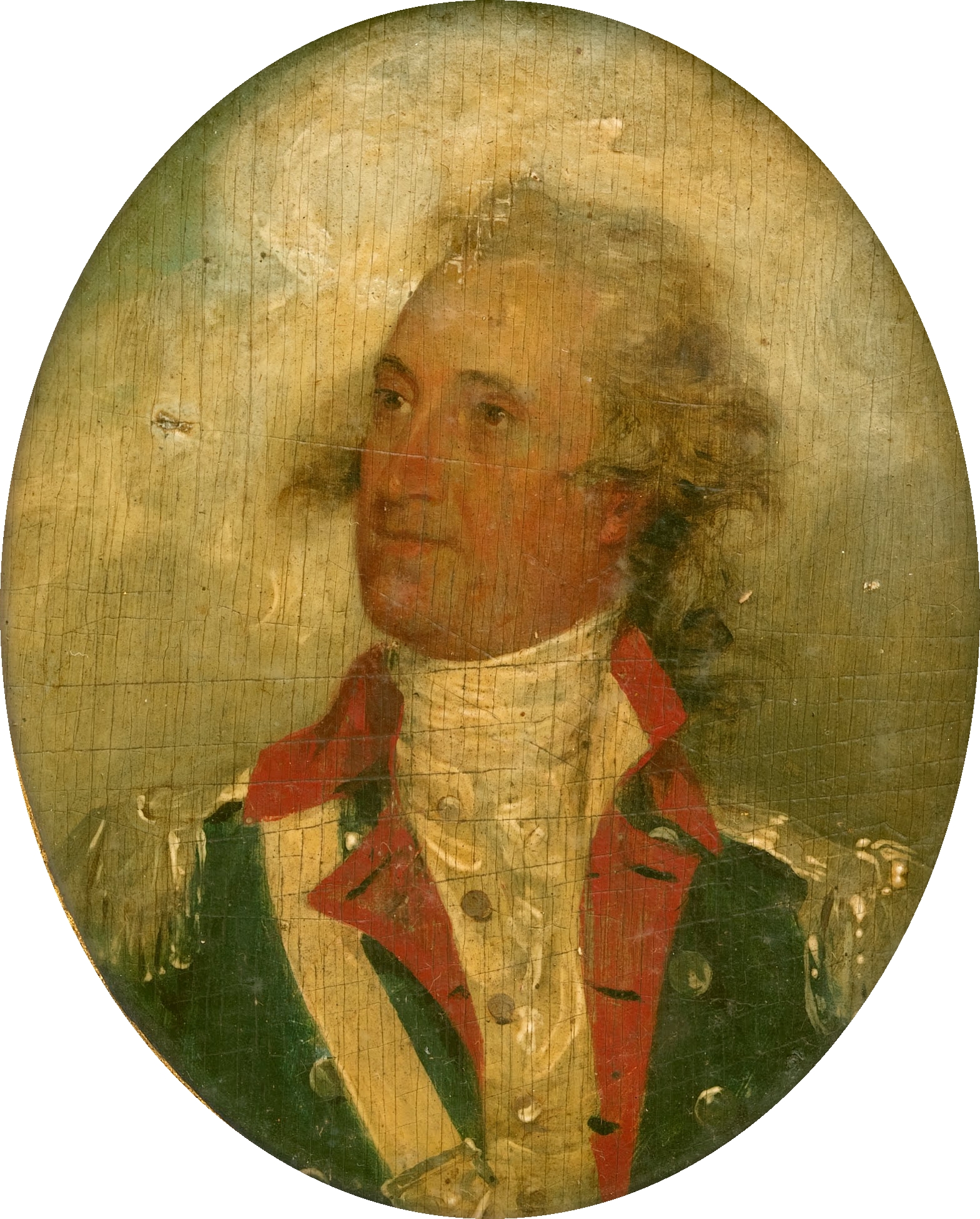
Thomas Pinckney
U.S.A.

Social Media

Personal Background
Thomas Pinckney was born in 1750 in Charlestown, South Carolina, and spent part of his formative years in Great Britain. He was admitted to the bar in 1774 and subsequently became a captain in the Continental Army during the American Revolutionary War. Pinckney's military career included being captured by the British and later serving under the Marquis de Lafayette. He transitioned into political leadership, serving as the governor of South Carolina and presiding over the state convention that ratified the United States Constitution. Pinckney also held diplomatic roles, negotiating the Treaty of San Lorenzo with Spain and serving as the U.S. minister to Great Britain. His professional expertise spans military service, diplomacy, and governance, establishing a diverse foundation of leadership capabilities.
Political Ideas
Thomas Pinckney's political identity is marked by a blend of federalism and a nuanced approach to foreign diplomacy. He navigated complex international negotiations, such as the Treaty of San Lorenzo, while maintaining a steadfast commitment to the Federalist agenda. Pinckney's military experience and strategic thinking often informed his policy stances, revealing an ideologically agile approach that balances regional security with broader national interests. His writings on slavery and insurrection demonstrate an unexpected focus on preventive measures, hinting at a sophisticated understanding of social stability.