Thomas Talbot
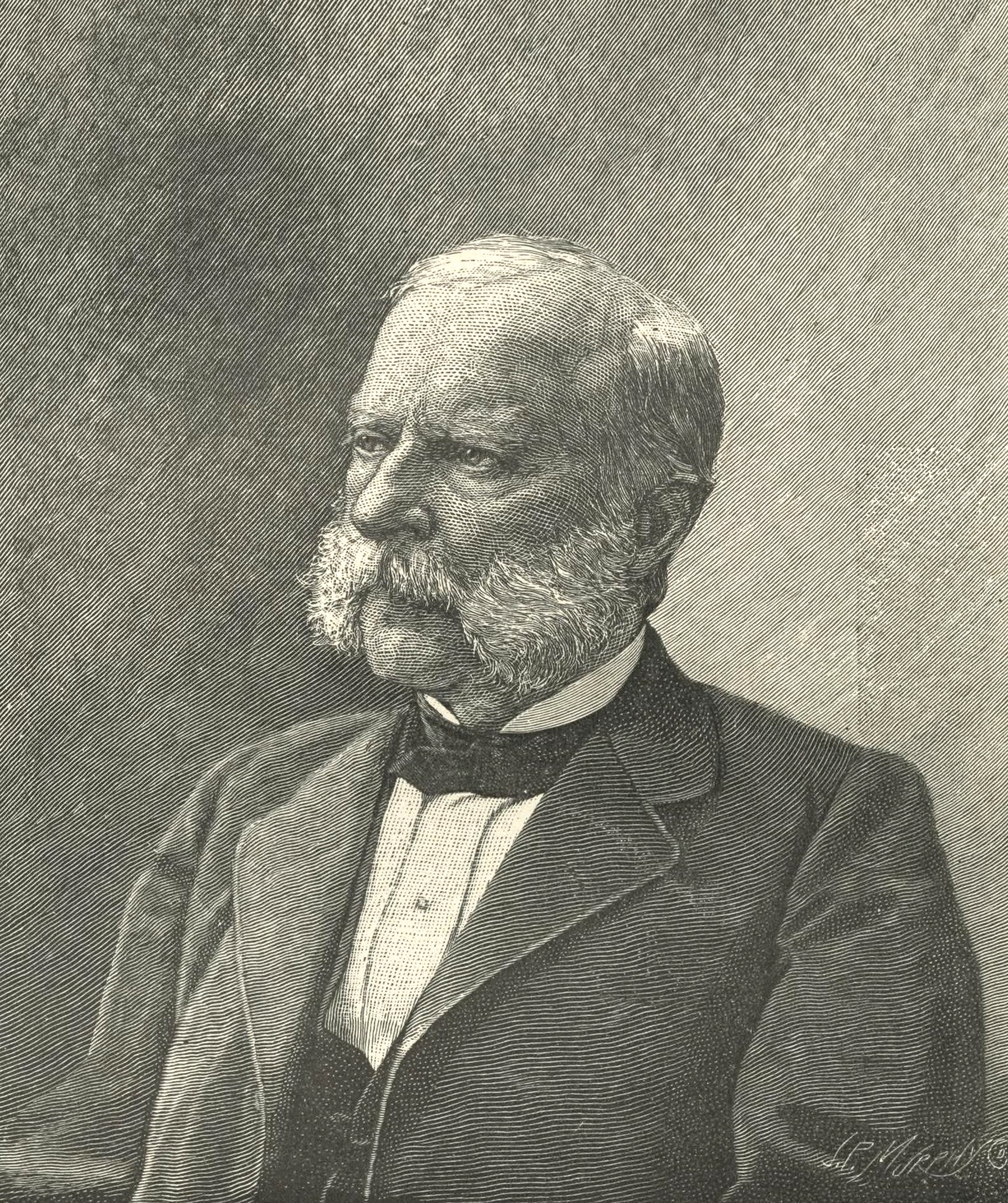
Thomas Talbot
U.S.A.

Social Media

Personal Background
Thomas Talbot, born in 1818 to Irish immigrants in New York, began his career in the textile industry in Massachusetts. He established C.P. Talbot & Co. with his brother in 1840, later acquiring significant water rights and founding Talbot Mills in 1857. Throughout his career, Talbot balanced his business interests with public service, including roles in the Massachusetts legislature and as lieutenant governor. He notably signed a ten-hour workday bill and supported women's suffrage for school committee elections. After his tenure in public office, Talbot continued to influence public health and economic policy through his service on various state committees.
Political Ideas
Thomas Talbot's political identity is marked by an intriguing blend of progressive labor reforms and staunch prohibitionism. Despite owning a mill, he championed a ten-hour workday and signed the bill into law as acting governor. His environmental policies, however, reveal a tension between industrial interests and broader ecological concerns, as he resisted removing a dam linked to flooding while opposing water diversion for Boston. Talbot's rhetorical style likely navigated these complex stances, balancing regional economic interests with broader social reforms.