William Gaston
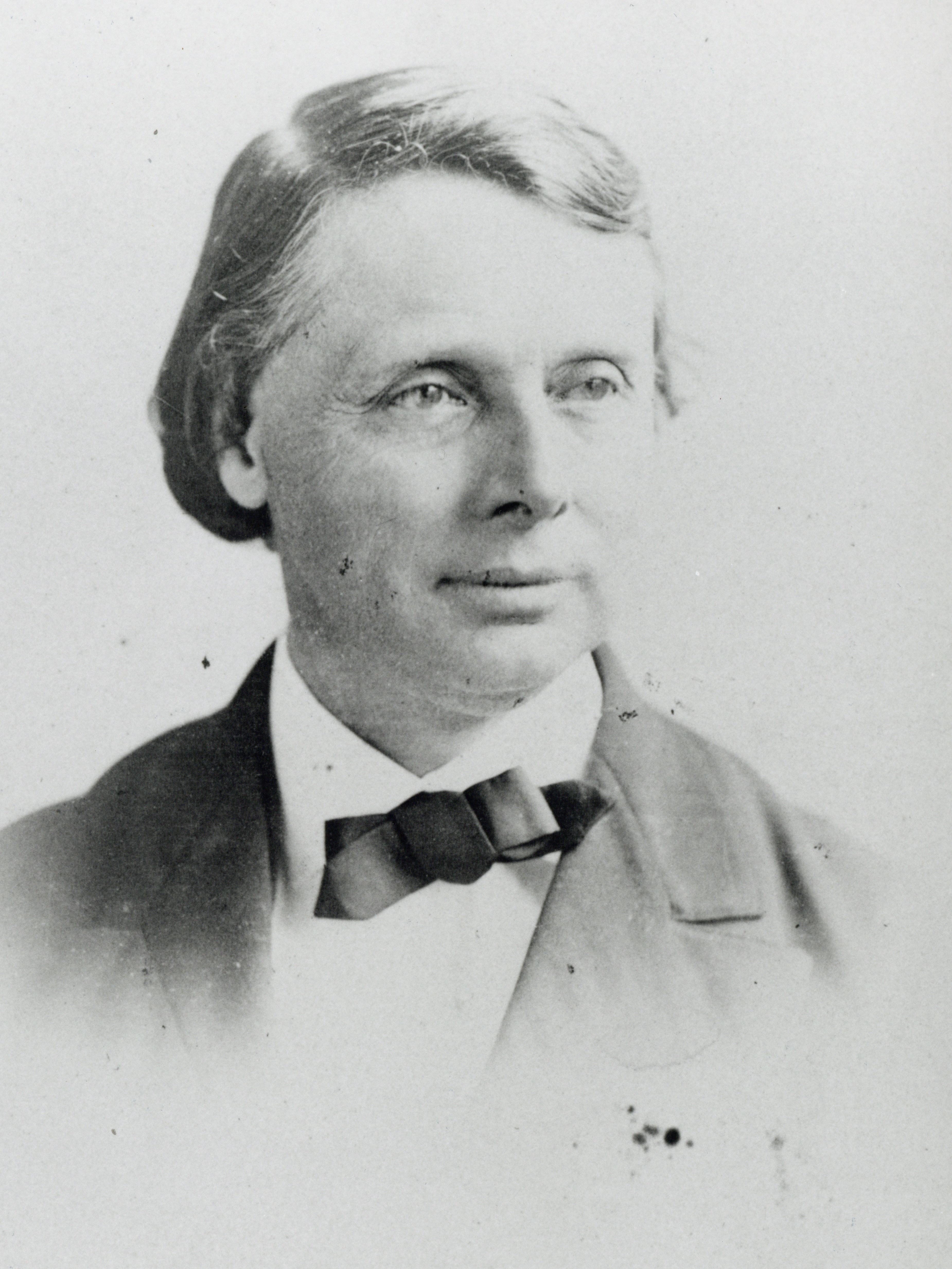
William Gaston
U.S.A.

Social Media

Personal Background
William Gaston graduated from Brown University with high honors and was admitted to the Massachusetts Bar. He established his own law practice and served in various political roles, including representing Roxbury in the state legislature and serving as Mayor of Roxbury and Boston. Gaston was elected Governor of Massachusetts, during which he promoted the repeal of the state's prohibition law and reduced the state constabulary. After his tenure as governor, he returned to practicing law and held leadership positions within the Boston Bar Association.
Political Ideas
William Gaston's political career is marked by an intriguing blend of fiscal conservatism and liberal economic policies, particularly regarding alcohol regulation. His advocacy for liberalizing state prohibition laws while simultaneously reducing the enforcement apparatus showcases a calculated approach to balancing economic interests with social control. Gaston's refusal to sign the death warrant for Jesse Pomeroy, despite its political cost, reveals a principled stance on juvenile justice that contrasts sharply with the punitive tendencies of his era. This juxtaposition of economic pragmatism with moral absolutism creates a complex figure whose policy decisions warrant deeper exploration.