Titus Hutchinson
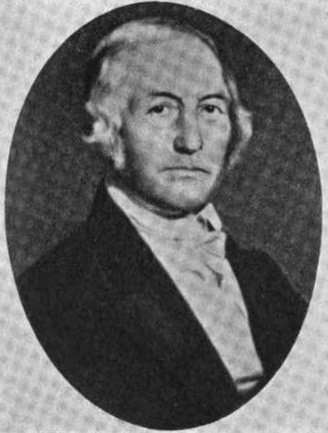
Titus Hutchinson
U.S.A.
Social Media

Personal Background
Titus Hutchinson was born in Grafton, Massachusetts, in 1771, and later moved to Pomfret, Vermont. He graduated from Princeton University in 1794 and was admitted to the bar in 1798. Hutchinson opened a law office in Woodstock, Vermont, and held various public offices, including State's Attorney for Windsor County and a trustee position at the University of Vermont. He served multiple terms in the state legislature and as a United States Attorney for Vermont. Hutchinson was also an associate justice of the Vermont Supreme Court, eventually becoming its Chief Justice before being removed due to political affiliations. Throughout his career, he ran for numerous political offices and was involved in significant policy areas such as anti-slavery efforts and conservation.
Political Ideas
Titus Hutchinson's political identity is marked by an intriguing blend of local economic advocacy with a broader abolitionist stance. His support for small businesses and local economies contrasts with his strong anti-slavery views, suggesting a unique ideological alignment. Hutchinson’s involvement in the Underground Railroad and his creation of an escape tunnel from his home highlight a radical approach to abolitionism. This combination of localized economic policies with an extreme abolitionist agenda reveals a highly calculated approach to his political identity.