Wendell Phillips
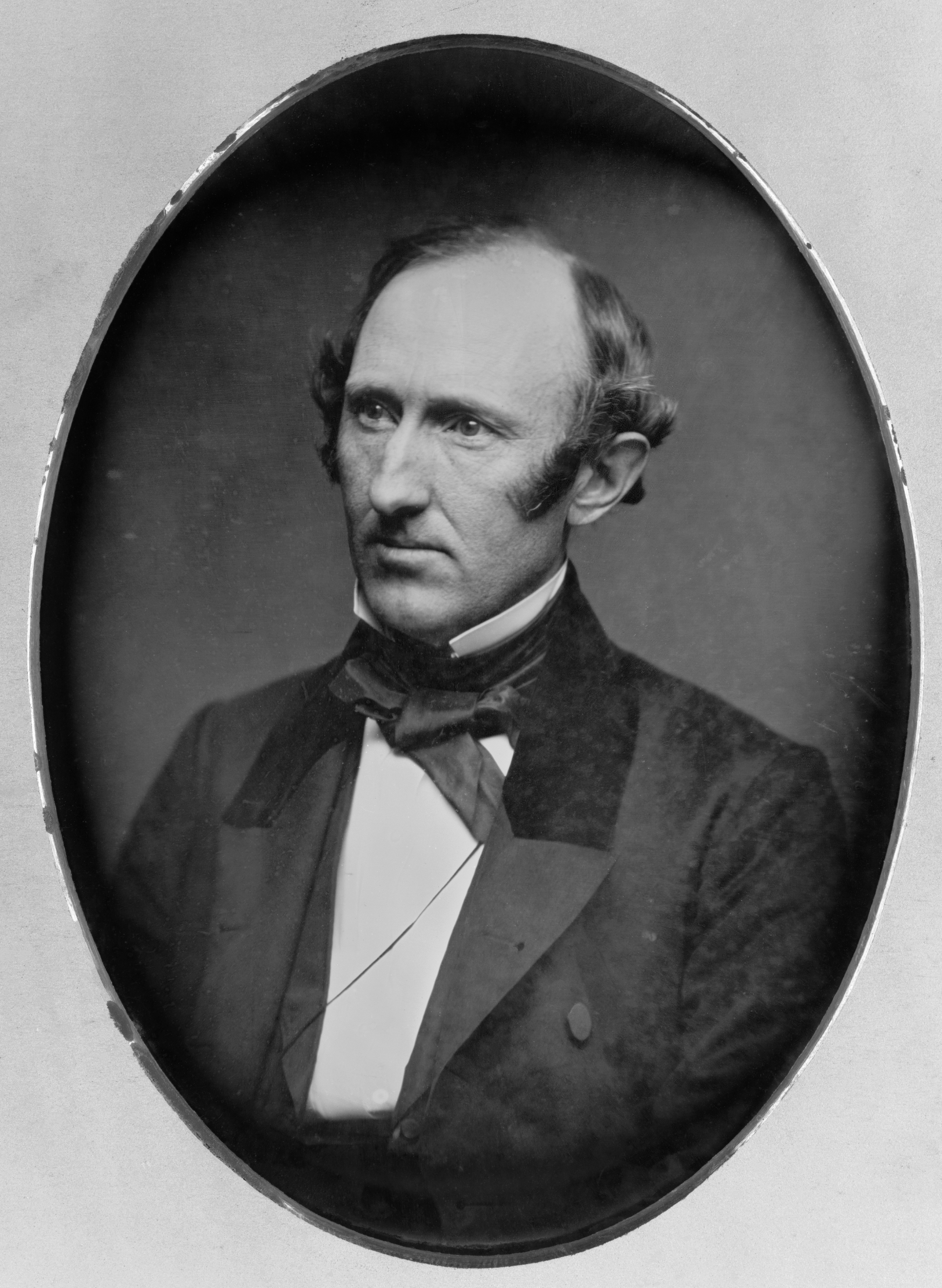
Wendell Phillips
U.S.A.
Social Media

Personal Background
Wendell Phillips graduated from Harvard College in 1831 and Harvard Law School in 1833, subsequently establishing a law practice in Boston. He became a prominent abolitionist after witnessing the attempted lynching of William Lloyd Garrison, delivering influential speeches and writing resolutions for the cause. Phillips married Ann Terry Greene, an abolitionist, and traveled to Europe, where he advocated for female delegates at the World Anti-Slavery Convention. He also championed women's rights, property rights, and the enfranchisement of freedmen post-Civil War. Phillips later advocated for Native American rights and opposed military involvement in Native American issues.
Political Ideas
Wendell Phillips stands out for his unwavering commitment to abolitionism and his early advocacy for women's suffrage, which often placed him at odds with prevailing norms. His rejection of the Constitution for tolerating slavery and his support for the free-produce movement illustrate an ideological rigidity that defies conventional political pragmatism. Phillips's unexpected convergence with opposing factions on environmental regulations reveals a highly calculated approach to protecting regional industrial interests. His later advocacy for Native American rights, juxtaposed with his earlier stance on Confederate secession, highlights a complex and evolving ideological landscape.