William A. Newell
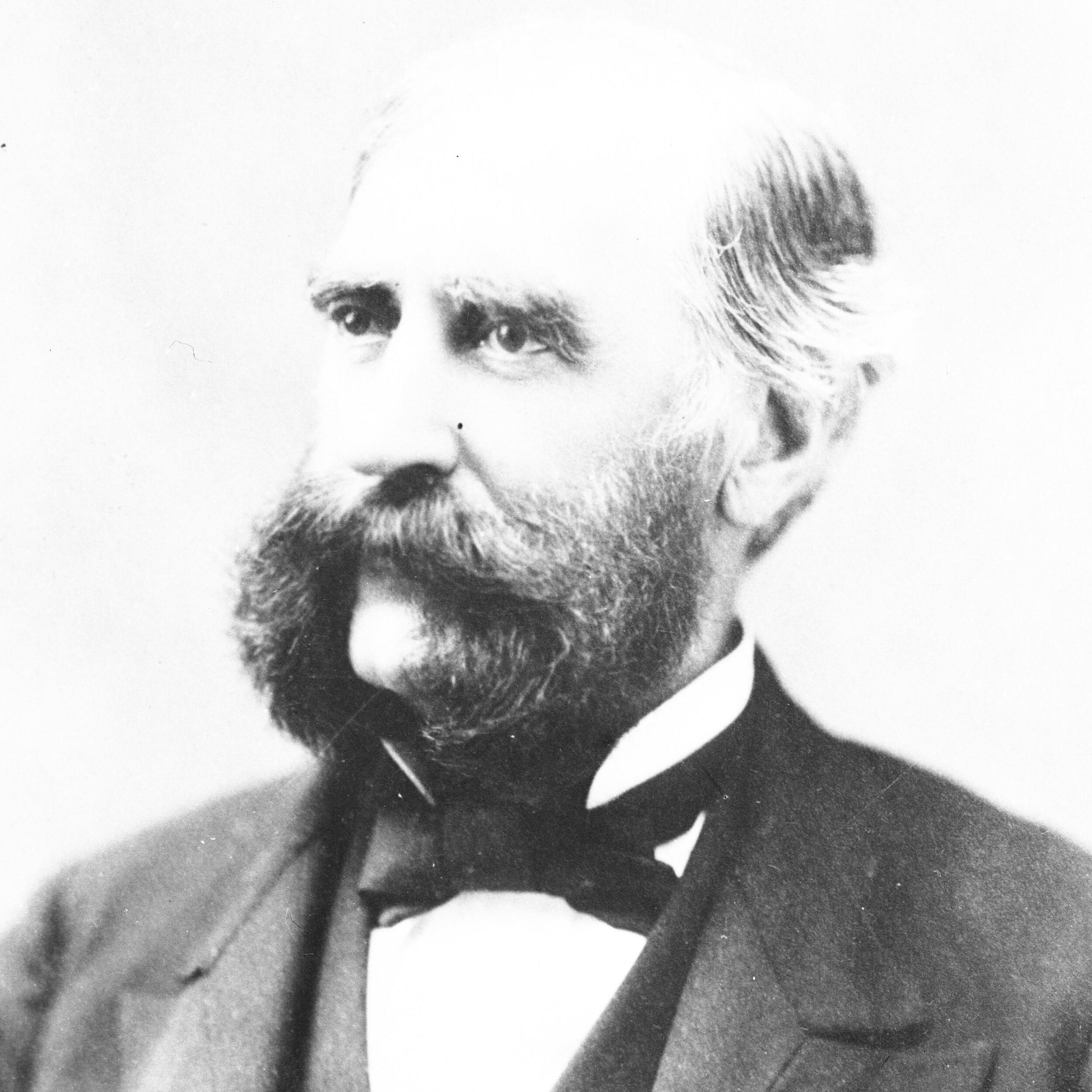
William A. Newell
U.S.A.

Social Media

Personal Background
William A. Newell graduated from Rutgers College and the University of Pennsylvania School of Medicine, establishing a foundation in higher education and medical practice. He began his public service career as a tax collector before being elected to the United States House of Representatives, where he contributed to maritime safety legislation. Newell served as Governor of New Jersey, advocating for lower taxes, improved school systems, and stricter naturalization procedures. He later transitioned to federal roles, including the creation of the United States Life-Saving Service and governorship of Washington Territory, where he focused on life-saving systems and Native American policy.
Political Ideas
William A. Newell's political identity is marked by a blend of fiscal conservatism and progressive public safety initiatives. His consistent advocacy for lower taxes and balanced budgets reveals a traditional conservative economic stance. However, his establishment of life-saving systems and lighthouses demonstrates an unexpected commitment to public welfare. Newell's stringent views on immigration and naturalization juxtapose with his efforts to protect mariners, showcasing a complex approach to governance. His involvement in the controversial execution of James P. Donnelly further complicates his legacy, hinting at a deeply calculated yet polarizing political strategy.