William Allen White
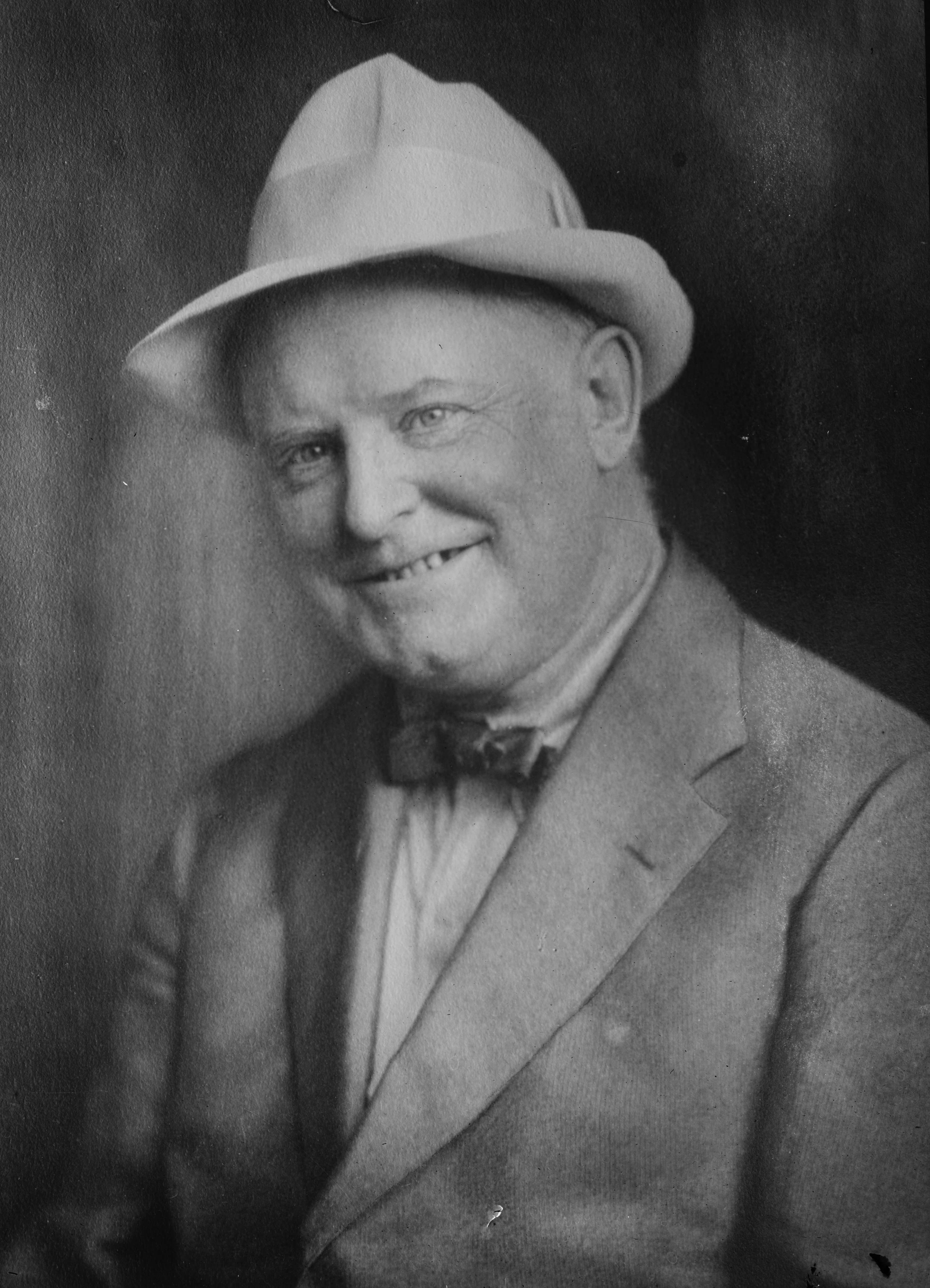
William Allen White
U.S.A.

Social Media

Personal Background
William Allen White began his career as an editorial writer for The Kansas City Star in 1889, later purchasing the Emporia Gazette in 1895 and transforming it into a nationally recognized platform. He gained prominence with his editorial "What's the Matter With Kansas?" in 1896 and continued to influence public discourse through his writings. White played a pivotal role in the formation of the Kansas Republican League and the Progressive (Bull-Moose) Party in 1912. His leadership and editorial prowess were recognized with a Pulitzer Prize in 1923 for "To an Anxious Friend."
Political Ideas
William Allen White's political identity is marked by a blend of progressive advocacy and principled conservatism. His support for the New Deal's positive impacts while opposing Franklin D. Roosevelt in every election showcases a calculated approach to policy alignment. White's early opposition to U.S. involvement in World War I, followed by his support for the League of Nations, reveals a nuanced stance on international engagement. His rhetorical style, steeped in moral advocacy and community values, often juxtaposes progressive economic policies with a conservative critique of isolationism.